
Autumn Gardening: Why It’s Never Too Late to Get Your Hands Dirty
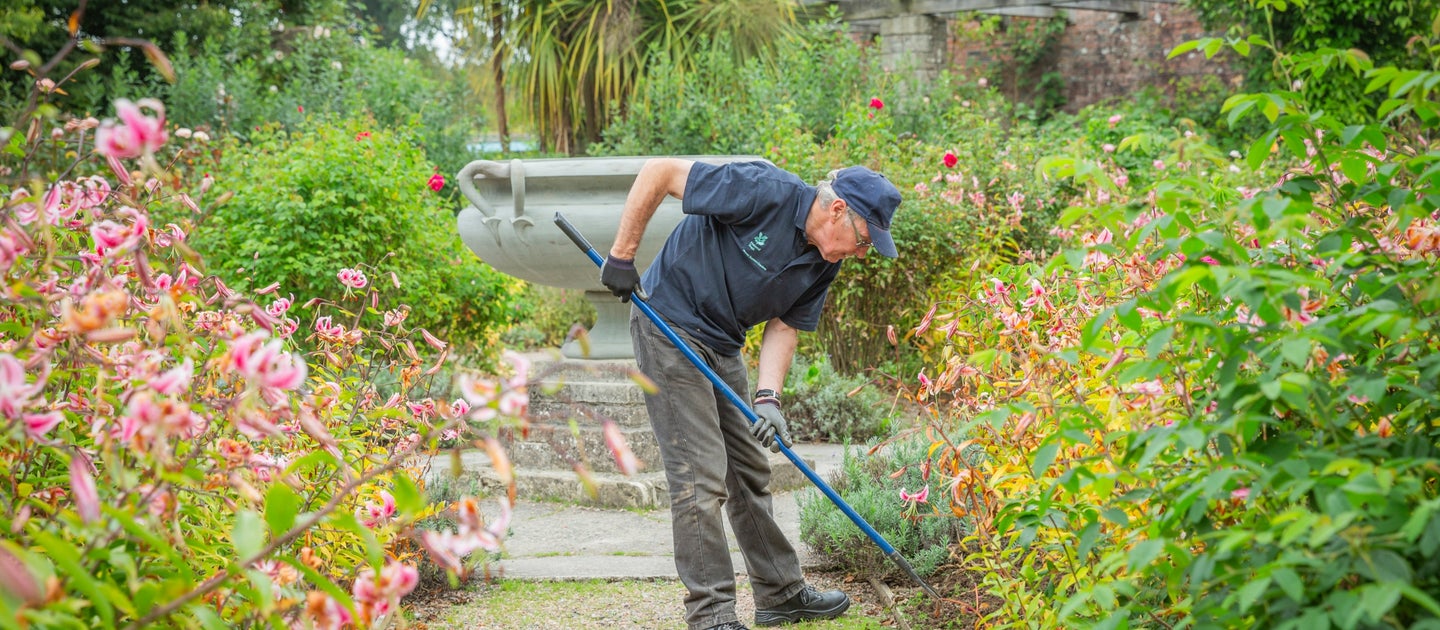
As autumn takes hold and temperatures begin to drop, many people may assume it's too late to continue gardening for the year. However, garden experts are challenging that belief, encouraging green-thumbed enthusiasts to embrace fall gardening. Not only can you extend your growing season well into the cooler months, but autumn also provides unique opportunities for both planting and preparing your garden for the seasons ahead.
Why Garden in the Fall?
Gardeners often pack up their tools as summer fades, thinking that frost and chill will halt growth. However, fall presents a number of advantages that make it an ideal time to garden. Cooler temperatures and increased rainfall create perfect conditions for certain crops to thrive. Leafy greens, root vegetables, and certain herbs actually prefer the brisk, cooler climate, making this the perfect season to grow them.
Margaret Lauterbach, an experienced horticulturist, notes that many plants such as kale, spinach, and carrots flourish in fall. Additionally, fall gardening reduces stress on the plants due to cooler weather, as opposed to the heat of summer which can cause rapid evaporation and soil drying.
What to Plant
According to garden experts, some of the best crops for autumn planting include:
Leafy Greens: Spinach, kale, and Swiss chard are cool-weather lovers and can thrive through early frosts. Their flavours even tend to sweeten in cooler weather.
Root Vegetables: Carrots, radishes, and beets all perform well in fall. These vegetables are resilient to cooler temperatures and can often be harvested through early winter, especially with mulch or protective covering.
Garlic: Planting garlic in the fall ensures that it will establish roots before winter and be ready for harvest the following summer.

Soil Preparation
Fall isn’t only about growing—it’s also an excellent time to prepare your garden for the next growing season. As the garden begins to slow down, take the opportunity to clean up and nourish the soil. Composting fallen leaves and plant debris will replenish the soil with nutrients, readying it for a strong start in the spring.
Lauterbach recommends using mulch to protect the garden beds through winter. Mulch insulates the soil, prevents erosion, and encourages the growth of beneficial microbes.
Benefits of Fall Gardening
Beyond providing fresh produce and preparing your garden for spring, fall gardening also extends time spent outdoors and adds beauty to the changing landscape. Some flowers, such as pansies and mums, can add vibrant colour to your garden even as the days grow shorter.
The mental health benefits of gardening are well-documented, from reducing stress to improving mood. Continuing to garden through autumn allows people to maintain these benefits for longer, helping combat the seasonal blues that can set in as the year comes to an end.
It's Never Too Late
So, if you think the gardening season is over once fall arrives, think again. With the right crops, soil preparation, and a little enthusiasm, your garden can continue to provide well into winter. Whether you’re a seasoned gardener or just starting out, autumn is an opportunity to keep your hands in the soil and enjoy the rewards of gardening year-round.
As the garden expert says, “There’s always something you can grow.”
This autumn, don’t pack away your tools just yet—embrace fall gardening and enjoy the season’s unique offerings for your plants and your soul.