
Earth-like Planet Discovered 4,000 Light-Years Away
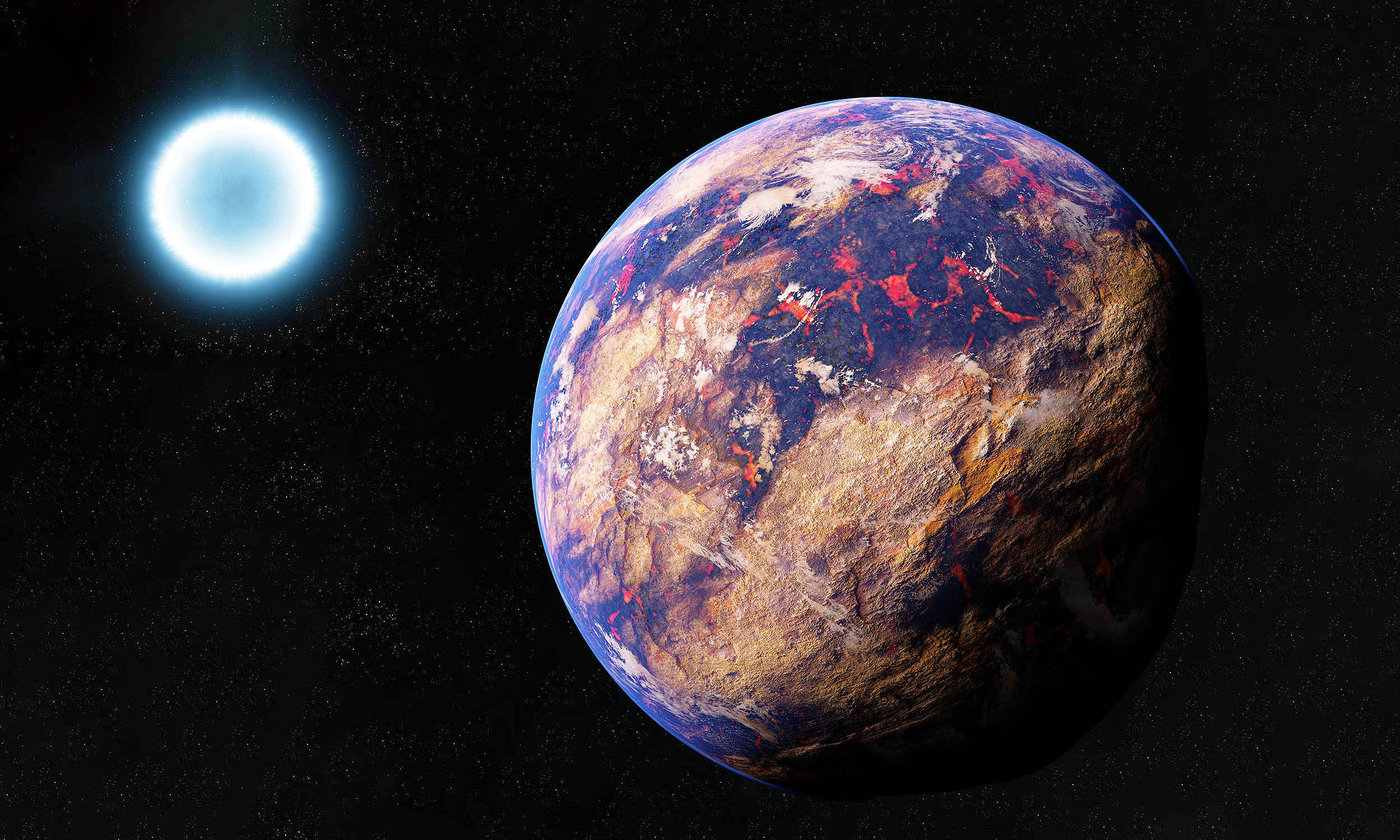
Scientists have discovered an Earth-like exoplanet, located a staggering 4,000 light-years from our solar system, that could offer valuable insights into the future of our own planet. Known as Kepler-1658b, this distant world is orbiting an aging star that mirrors what our Sun may look like in billions of years. Its unique characteristics make it a fascinating object of study, potentially providing clues about how Earth’s own fate will unfold as our star ages.
The Fascinating Find
Kepler-1658b is slightly larger than Earth and orbits its star much closer than Mercury orbits the Sun. This proximity makes it a scorching hot world, and the intense gravitational forces between the planet and its host star are gradually drawing the two closer together. As the star swells and begins to die, it will eventually engulf Kepler-1658b, offering a preview of what might one day happen to Earth as the Sun goes through its own life cycle.
A Glimpse into Earth’s Distant Future
Our Sun is currently in a stable phase of its life, but in around five billion years, it will begin to expand into a red giant. During this phase, it will grow so large that it may engulf the inner planets of the solar system, including Earth. By studying planets like Kepler-1658b, astronomers hope to better understand the forces at play during this stage of a star’s life and how planets respond to such cataclysmic changes.
The Role of Tidal Forces
One of the key phenomena scientists are examining is the role of tidal forces. As Kepler-1658b moves closer to its host star, tidal forces are increasing. These forces not only impact the planet's orbit but also generate significant heat, which may play a role in the planet’s ultimate fate. Studying this process in real-time gives researchers a rare opportunity to observe how tidal forces influence planetary systems in their final stages.
Why This Matters for Us
Though the demise of Earth is billions of years away, understanding the fate of other planets around aging stars provides crucial knowledge about our place in the cosmos. It helps refine our understanding of how planetary systems evolve, and offers insight into the broader life cycle of stars and planets in the universe. As we continue to search for other Earth-like planets, studying worlds like Kepler-1658b helps us prepare for the future of space exploration and the long-term survival of our own species.
A Cosmic Journey
While 4,000 light years is an unfathomable distance to travel, discoveries like Kepler-1658b bring us closer to understanding the complexities of our universe. They offer a sobering reminder of the cosmic forces that govern the destiny of planets like ours, and how fragile life can be in the face of the immense power of the stars.
By continuing to explore these distant worlds, we deepen our connection to the universe and our understanding of what lies ahead for our own planet.