
FDA-Approved Antidepressant Shows Promise in Treating Incurable Brain Cancer in Preclinical Trials
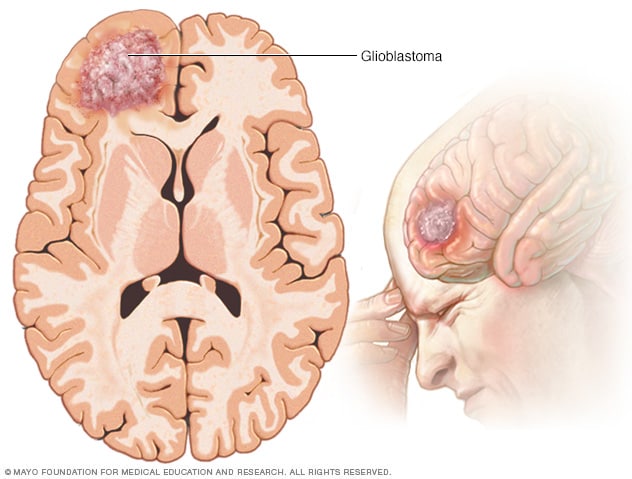
In a breakthrough study that could reshape the future of cancer treatments, an FDA-approved antidepressant has demonstrated significant potential in combating an incurable form of brain cancer. According to ScienceAlert, a preclinical trial revealed that the drug, originally designed to treat depression, has shown promising results against glioblastoma, one of the most aggressive and deadly brain tumours. This finding offers a glimmer of hope in the otherwise bleak landscape of glioblastoma treatment, which has seen limited success in improving survival rates.
Glioblastoma: A Formidable Foe
Glioblastoma, also known as GBM, is one of the most challenging forms of cancer to treat. It accounts for approximately 15% of all brain tumours and is notorious for its resistance to conventional therapies. The standard treatment, which typically includes surgery, radiation, and chemotherapy, has only managed to extend patients’ lives by an average of 15 to 18 months. Recurrence is almost inevitable, and when it returns, it is often even more aggressive than the initial tumour. This dire prognosis has prompted scientists to explore alternative treatments, often looking beyond traditional cancer therapies.
This recent development could mark a pivotal moment in the fight against glioblastoma. By repurposing a drug that is already FDA-approved for a different condition, researchers have been able to bypass some of the significant hurdles associated with developing entirely new medications, such as lengthy approval processes and uncertain safety profiles.
The Antidepressant: A Surprising Cancer Fighter
The antidepressant in question is clomipramine, a tricyclic drug that has been used for decades to treat conditions such as depression and obsessive-compulsive disorder (OCD). Tricyclic antidepressants work by blocking the reuptake of neurotransmitters like serotonin and norepinephrine, increasing their availability in the brain. However, in the case of glioblastoma, clomipramine's cancer-fighting properties appear to operate through an entirely different mechanism.
Preclinical trials conducted in laboratory settings have shown that clomipramine can induce apoptosis, or programmed cell death, in glioblastoma cells. This is a critical finding, as one of the reasons glioblastoma is so difficult to treat is its ability to evade cell death, allowing it to grow unchecked. By triggering apoptosis, clomipramine effectively cuts off the tumour’s ability to sustain itself.
Even more remarkable is the fact that clomipramine appears to target cancerous cells without harming healthy brain tissue. One of the biggest challenges in treating brain tumours is the risk of damaging surrounding healthy brain cells, which can lead to devastating side effects. The selective targeting observed in preclinical trials offers a potentially safer treatment option for glioblastoma patients.
The Science Behind the Discovery
The discovery of clomipramine’s potential in treating glioblastoma was not entirely serendipitous. Scientists have long been interested in the idea of drug repurposing—finding new uses for existing medications. This approach has become increasingly popular in recent years, particularly in cancer research, where the development of new drugs is both time-consuming and costly.
Researchers at Stanford University and the University of California, San Francisco, led the effort to explore clomipramine’s anti-cancer effects. The team was inspired by previous studies that suggested antidepressants might have anti-cancer properties, particularly in certain types of brain tumours. Using both in vitro (lab-based) and in vivo (animal-based) models, the researchers tested clomipramine on glioblastoma cells and found that it was remarkably effective in inhibiting tumour growth.
The researchers also noted that clomipramine appeared to work synergistically with existing glioblastoma treatments, such as radiation and chemotherapy. When used in combination, the antidepressant seemed to enhance the efficacy of these treatments, potentially paving the way for combination therapies that could be more effective than current treatment regimens.
Next Steps: Moving Toward Clinical Trials
While the results from the preclinical trials are certainly encouraging, it is important to remember that these findings are still in the early stages. The next step will be to conduct clinical trials to determine whether clomipramine is safe and effective in humans when used as a treatment for glioblastoma.
The good news is that, because clomipramine is already an FDA-approved drug, the path to clinical trials may be somewhat smoother. Drugs that have already been approved for one condition typically require fewer safety trials when repurposed for a different condition, particularly if they have been used in humans for a long time with a well-understood safety profile.
However, there are still many hurdles to overcome. The dosage needed to treat glioblastoma may be different from that used for depression, and researchers will need to determine whether clomipramine can effectively cross the blood-brain barrier in humans—a major challenge in treating brain cancer. Additionally, clinical trials will need to assess how the drug interacts with other glioblastoma treatments, such as radiation and chemotherapy, and whether it has any unforeseen side effects in cancer patients.
A Potential Game-Changer for Glioblastoma Treatment
If clomipramine proves effective in human trials, it could represent a significant shift in the treatment of glioblastoma. Repurposing an existing drug offers several advantages, including reduced development costs and a shorter timeline to bring the treatment to market. Moreover, because clomipramine is already widely available, it could be deployed relatively quickly to patients in need.
This development also underscores the importance of drug repurposing as a strategy for cancer treatment. In recent years, several other non-cancer drugs, such as diabetes and arthritis medications, have been found to have anti-cancer properties. As researchers continue to explore the untapped potential of existing drugs, we may see more breakthroughs like this one, offering new hope to patients with some of the most difficult-to-treat cancers.
Conclusion
The discovery that clomipramine, an FDA-approved antidepressant, may be effective in treating glioblastoma represents a promising new avenue for cancer research. While still in the preclinical phase, this breakthrough has the potential to improve outcomes for patients with this devastating form of brain cancer. As scientists move forward with clinical trials, the world will be watching closely to see if this drug can indeed become a new weapon in the fight against one of the most challenging cancers.