
German Tesla Managers Visit Workers at Home
n a surprising move that has raised eyebrows across the automotive industry, Tesla's management team in Germany has begun visiting workers' homes to address concerns about underperformance. This comes at a critical time as the company ramps up production at its Gigafactory near Berlin. The unusual strategy is reportedly aimed at motivating employees to meet the company's ambitious targets and reduce absenteeism during an aggressive production expansion.
Tesla's Production Goals at Stake
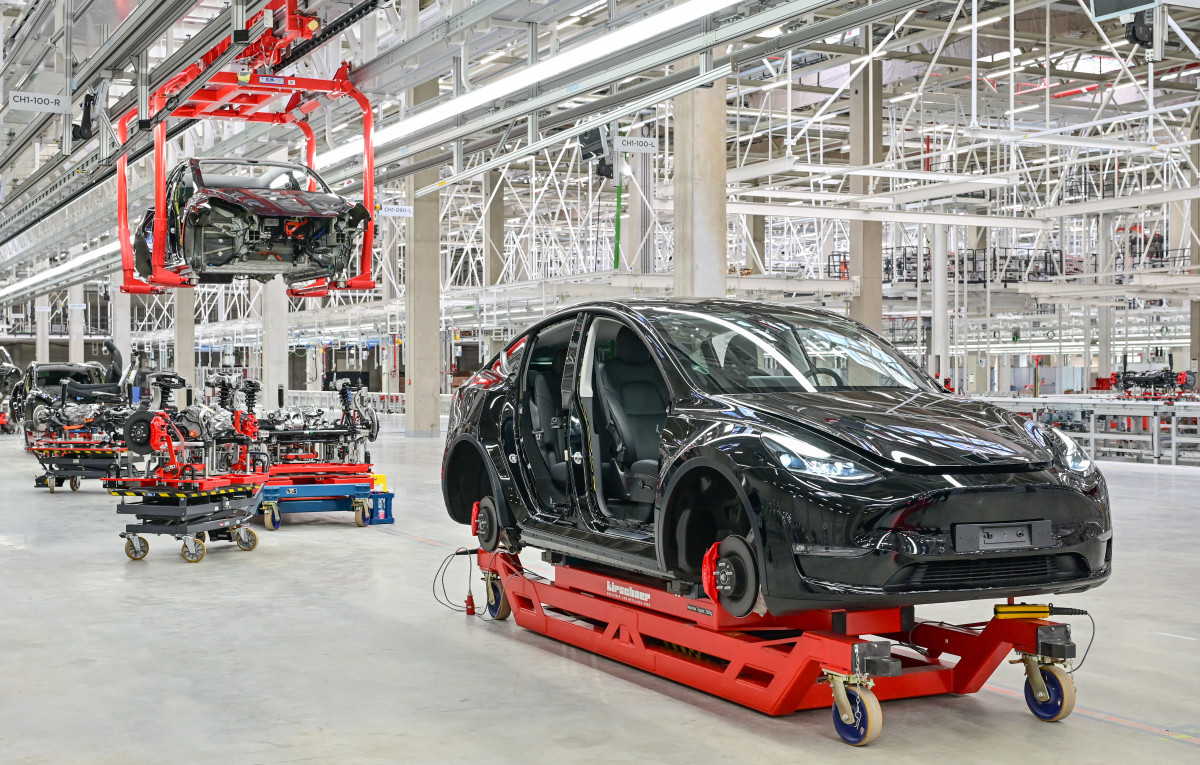
Tesla’s Gigafactory in Grünheide, located on the outskirts of Berlin, is a cornerstone of the company’s European strategy. It is tasked with producing the Model Y, which is essential for Tesla’s growth in the European electric vehicle (EV) market. However, achieving its desired production output has proven more difficult than expected. Although the Gigafactory has made progress, it is reportedly still falling short of its target of manufacturing 500,000 cars per year.
The home visits are seen as part of a broader strategy to address issues such as absenteeism and low productivity, which have reportedly been affecting production efficiency. Sources claim that Tesla is putting significant pressure on workers to keep the plant running at full capacity, with managers even going to the extent of checking in on employees personally when they are absent from work.
Management's Move Sparks Controversy
While it’s not unusual for companies to monitor employee performance closely, Tesla’s decision to send managers to workers’ homes has sparked controversy. Critics argue that this tactic may be intrusive and could lead to deteriorating workplace morale. Labour unions and workers' rights advocates have voiced concerns about the impact this approach might have on employee well-being and mental health.
The tactic also comes at a time when Tesla has been under scrutiny for its management practices, with the company’s famously high-pressure work culture receiving mixed reviews. Employees have often praised Tesla for its innovation and cutting-edge technology but have also highlighted the intense demands placed on them, with long hours and challenging performance metrics being common complaints.
Absenteeism a Growing Concern
One of the key issues driving Tesla’s new approach is absenteeism. High levels of absenteeism at the Gigafactory have reportedly been hampering the company’s ability to meet its production targets. According to reports, absenteeism rates at the factory have been concerningly high, especially in comparison to industry standards in Germany, where worker protections are robust, and labour rights are well-established.
It is unclear whether the absenteeism issue stems from dissatisfaction among employees, burnout, or other external factors, but the home visits signal that Tesla management is taking the problem seriously. The company has not publicly commented on the home visit initiative, but insiders suggest it may be part of a broader effort to ensure employees understand the importance of their roles in achieving Tesla’s ambitious goals.
Challenges Ahead for Tesla in Europe
Tesla has set its sights on dominating the EV market in Europe, and the Grünheide Gigafactory is central to that plan. However, competition is fierce, with established European automakers like Volkswagen and newcomers such as Rivian also vying for a share of the growing EV market. In this context, achieving full production capacity at Grünheide is critical to Tesla’s long-term strategy in the region.
The company’s struggles to meet production goals at the German plant are not entirely unexpected. The Gigafactory has faced numerous challenges since its inception, including environmental concerns, delays in receiving necessary permits, and workforce issues. The latest developments suggest that while Tesla is making strides in increasing production, it still has a long way to go to meet its lofty targets.
A Reflection of Tesla’s Culture
Tesla’s decision to send managers to workers’ homes is also a reflection of the company's broader culture. Founded and led by Elon Musk, Tesla is known for its relentless focus on innovation and growth, often at the expense of conventional workplace practices. Musk himself has been outspoken about his expectations for employees, famously tweeting that people must work “extremely hard” to change the world.
However, Tesla’s high-pressure work environment has also led to employee turnover and has sparked criticism from labour groups. While some employees thrive in Tesla’s fast-paced, mission-driven culture, others have found the expectations overwhelming.
Labour Rights in Germany
Tesla’s actions will likely be closely watched in Germany, where worker protections are among the strongest in the world. German labour law places a heavy emphasis on workers’ rights, including protection against unfair dismissal and the right to collective bargaining. The country’s powerful labour unions, such as IG Metall, are likely to weigh in on Tesla’s latest management strategy, especially if the home visits become widespread.
Germany’s strong tradition of worker representation means that Tesla may face challenges if employees feel their rights are being violated. If unions become involved, it could lead to negotiations over working conditions, absenteeism policies, and how performance is monitored.
Conclusion
Tesla's decision to send managers to workers’ homes amid production concerns at its Gigafactory in Germany has sparked controversy and raised questions about the company's management practices. As Tesla strives to meet its ambitious production goals and solidify its position in the European EV market, it faces significant challenges both in terms of operational efficiency and employee morale. With competition heating up and scrutiny from labour groups likely to increase, Tesla's approach to workforce management in Germany will be critical to its long-term success in the region