
Germany and Border Controls
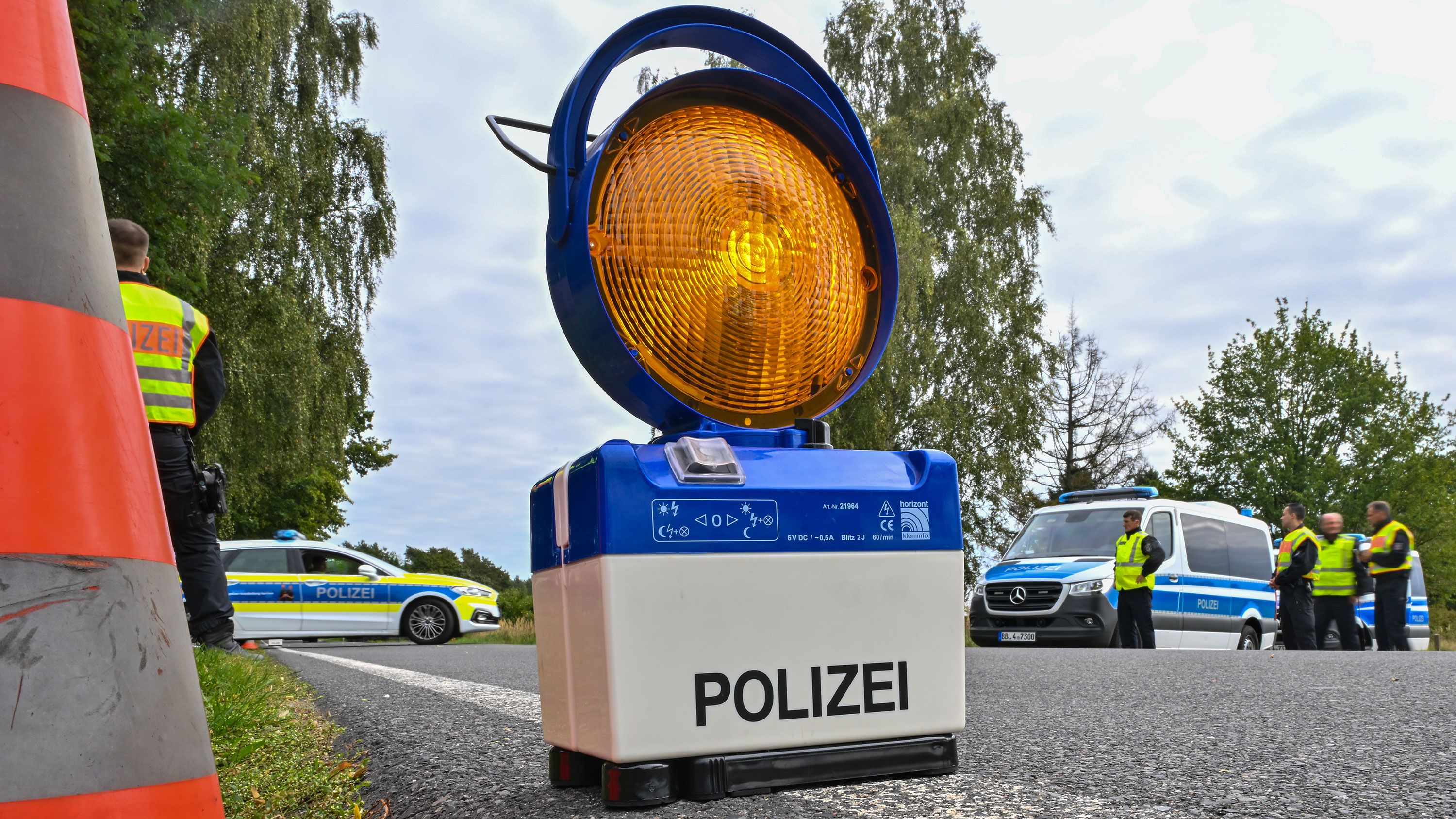
Germany's decision to introduce border controls at all its land crossings has sparked fears that it could trigger a chain reaction, potentially undermining the Schengen system of open borders, widely considered one of the European Union’s most significant accomplishments.
Berlin's imposition of these checks, implemented as part of a law-and-order package, followed the tragic stabbing of three individuals in Solingen, a city in western Germany. The suspected perpetrator was a Syrian national believed to be affiliated with ISIS. In response, Germany tightened its border security, a move that has now prompted France to contemplate similar measures. Michel Barnier, France’s newly appointed prime minister, told parliament that France would also consider expanding its border checks, emphasising that such actions were in line with European regulations.
This shift in policy is raising alarms about the future of Schengen, which has long symbolised the EU’s commitment to freedom of movement. For many European citizens, this arrangement represents one of the EU’s most tangible benefits, fostering a sense of unity across the continent. The situation is particularly concerning for residents living near internal borders, where crossing into neighbouring countries has become a routine part of daily life. For years, people living close to the borders of Germany, France, and other nations have moved freely for work, shopping, or leisure. However, recent developments have led to concerns that these freedoms are under threat.
Uwe Conradt, mayor of Saarbrücken, a German city bordering France, expressed unease about the potential impact of these measures. He compared the current situation to the early days of the COVID-19 pandemic when Germany shut its borders with France to curb the virus's spread. For many, the reintroduction of border controls is reopening old wounds, particularly for those who had just begun to heal from the disruption of the pandemic.
The Schengen Agreement, first signed in 1985 by West Germany, France, Belgium, Luxembourg, and the Netherlands, aimed to eliminate internal border checks between its members. Over time, the area has expanded to include 25 of the 27 EU member states, along with non-EU countries like Iceland, Liechtenstein, Norway, and Switzerland, covering a population of nearly 420 million people. However, in recent years, the Schengen system has been steadily eroded. Presently, eight Schengen countries, including Germany, France, Austria, and Italy, have implemented border checks for reasons ranging from terrorism threats to irregular migration.
The European Commission has reiterated that such measures should only be taken in exceptional circumstances. A spokesperson emphasised that border controls should remain temporary and used as a last resort when there is a serious threat to public order or security. However, critics argue that some countries, including Germany, have been using these controls without meeting the necessary criteria.
The Commission has not taken legal action against member states reintroducing border checks, and some believe that this leniency is unlikely to change. This lack of enforcement has emboldened other nations to follow suit, with officials noting a growing shift in attitudes towards Schengen.
Local authorities near the borders have reported minimal practical disruption from the new checks. In Saarbrücken, traffic remains fluid, with no significant queues at border crossings. Nevertheless, businesses and transport groups warn that delays could have a significant economic impact, with each hour of waiting adding extra costs to freight operations.
Despite the relatively smooth implementation, Germany's move has drawn sharp criticism from neighbouring countries. Polish Prime Minister Donald Tusk called it "unacceptable," warning that it marked the suspension of Schengen on a grand scale. Greece's migration minister also voiced concerns, urging EU countries to work together rather than acting unilaterally.
As more countries consider tightening their borders, the future of Schengen appears increasingly uncertain.