
NASA Issues Urgent Alert as Two Massive Asteroids Approach Earth
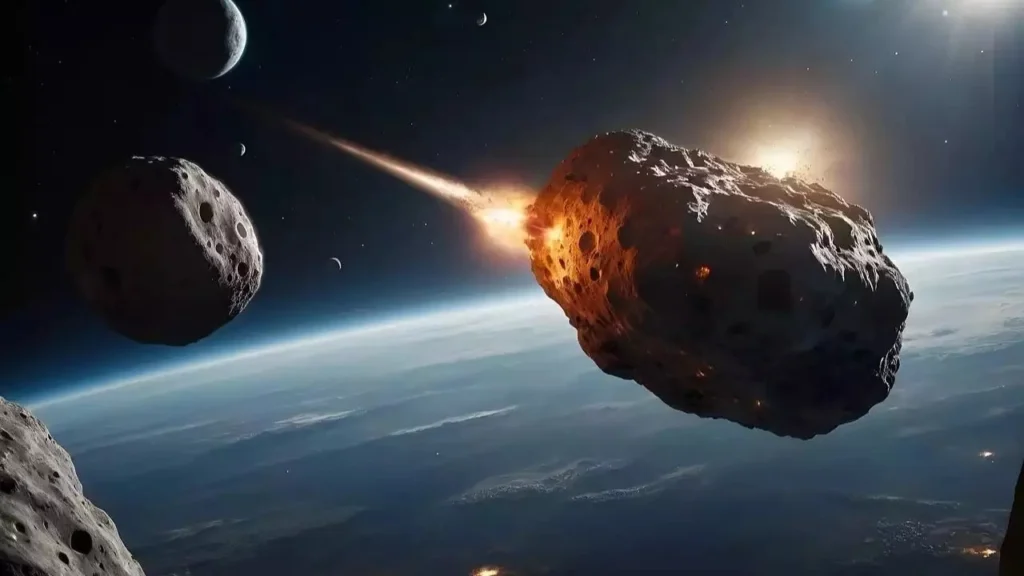
In a sudden and alarming development, NASA has issued a significant alert regarding two massive asteroids currently racing towards Earth, sparking concerns within the scientific community. The two space rocks, both sizeable enough to cause substantial damage if they make contact, are hurtling through space at incredible speeds, with their paths potentially putting them dangerously close to our planet. Although the risk of a direct impact is still being analysed, the situation has led NASA to keep a close watch on their trajectory.
Asteroids and Their Potential Threat to Earth
Asteroids, often described as rocky fragments left over from the early formation of our solar system, vary significantly in size. While some are minuscule and disintegrate upon entering Earth’s atmosphere, others can pose a serious threat, especially those large enough to survive the fiery descent and reach the surface.
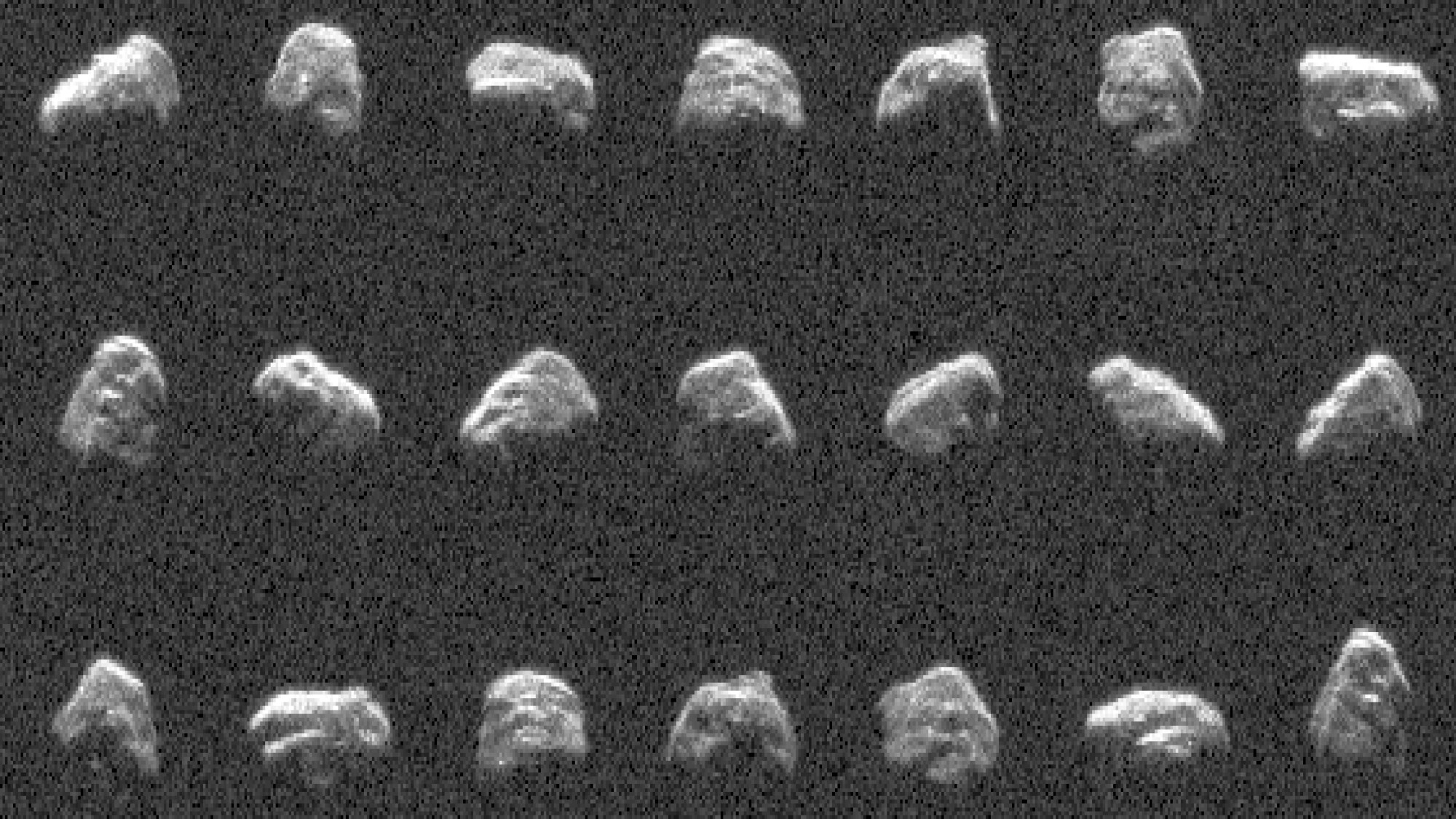
The two asteroids currently being monitored by NASA fall into this latter category, with their sizes large enough to warrant considerable attention. The larger of the two is reported to be about the size of a small building, while the second, though slightly smaller, could still cause significant damage if it impacts Earth. These asteroids are classified as Near-Earth Objects (NEOs), meaning their orbits bring them within close proximity to our planet.
What NASA’s Alert Entails
NASA's Planetary Defence Coordination Office is tasked with monitoring all NEOs that could potentially collide with Earth. When objects like these asteroids are detected, they are closely tracked to determine their precise orbits and the likelihood of impact. In this case, NASA has issued an alert because the asteroids’ current paths suggest that they could come within a dangerously close range.
The alert issued by NASA indicates that these asteroids are travelling at astonishing speeds, upwards of tens of thousands of kilometres per hour. Although collisions with Earth remain relatively rare, the immense speed of these asteroids means that even a relatively small rock can cause widespread devastation. The energy released by a direct impact would be similar to that of a large nuclear explosion.
While NASA has not yet confirmed whether the asteroids will indeed collide with Earth, the alert is a precautionary measure, signalling that the space agency is taking the situation seriously. Detailed observations and calculations are currently underway to refine the understanding of their trajectory and to assess the actual level of risk.
Understanding the Scale of Impact
If one of these asteroids were to collide with Earth, the effects would be profound, depending on where the impact occurred. Should it strike land, the resulting explosion could flatten entire cities, trigger massive fires, and send shockwaves through the surrounding region. If it were to hit an ocean, the impact could generate tsunamis that would wreak havoc on coastal areas.
Historical events such as the Tunguska explosion in 1908, when a smaller asteroid entered Earth's atmosphere and exploded over Siberia, are reminders of the power these space rocks possess. That explosion flattened over 2,000 square kilometres of forest, despite the asteroid disintegrating before reaching the ground. Asteroids of the size now being tracked by NASA are capable of causing much greater devastation.
NASA's Planetary Defence Strategies
Fortunately, NASA is not without strategies to defend Earth from potential asteroid impacts. The space agency has been working on various initiatives designed to prevent catastrophic collisions. One of the most notable recent developments was the Double Asteroid Redirection Test (DART) mission, which successfully demonstrated that humanity could intentionally alter the trajectory of an asteroid by crashing a spacecraft into it.
The success of DART in September 2022 provided hope that similar strategies could be employed in the future to deflect dangerous asteroids. Should further calculations reveal a high probability of impact for these two asteroids, NASA could potentially explore the use of spacecraft intervention to adjust their orbits.
Additionally, NASA collaborates with space agencies worldwide to pool resources and expertise in tracking NEOs. The goal is to detect potential threats as early as possible, giving scientists enough time to devise and execute plans to mitigate the danger.
Mitigating Public Fear
While the idea of an asteroid impact can invoke fear, NASA has stressed that such events are relatively rare on a human timescale. Even though Earth is regularly bombarded by smaller space debris, most of it burns up harmlessly in the atmosphere. Larger asteroids, like the ones currently on NASA’s radar, are far less common, and most pass by Earth at a safe distance.
Still, the issuance of an alert underscores the importance of vigilance. NASA continues to track thousands of NEOs, and the probability of Earth being struck by a large asteroid remains exceedingly low. However, scientists are keenly aware that even a single event could have devastating consequences, making it imperative to stay prepared for any eventuality.
A Global Response
The potential threat posed by these two asteroids also highlights the need for global cooperation in planetary defence. Space agencies such as the European Space Agency (ESA) and others have been actively working with NASA to develop coordinated response plans for dealing with asteroid threats. International collaboration will be crucial if humanity is to successfully defend itself against future asteroid impacts.
As the situation unfolds, NASA will continue to monitor these asteroids, refining their orbits with greater precision. In the meantime, the global scientific community is standing by to support efforts to avert a disaster, should the need arise.
Conclusion
NASA's recent alert regarding the two massive asteroids highlights the constant vigilance required to protect Earth from potential space hazards. While the risk of impact remains low for now, the situation serves as a reminder of the unpredictable nature of space and the importance of planetary defence. As scientists continue to track the asteroids and refine their data, we can only hope that, like many past objects, these rocks will safely pass by without incident. Nevertheless, the ongoing development of asteroid-deflection technologies offers hope that humanity will be prepared should such a threat ever materialise in the future.