
The Impact of Not Lifting Weights After 50

As people age, maintaining physical fitness becomes increasingly important. One key aspect of fitness that is often overlooked, especially by those over 50, is strength training. Both men and women over 50 who fail to incorporate weightlifting into their exercise routines face a range of potential health consequences. From muscle mass loss to increased risks of chronic diseases, the effects of not lifting weights can significantly impact overall well-being, longevity, and quality of life.
This article explores the various health risks associated with not lifting weights after the age of 50, shedding light on why strength training is crucial for both men and women during this phase of life.
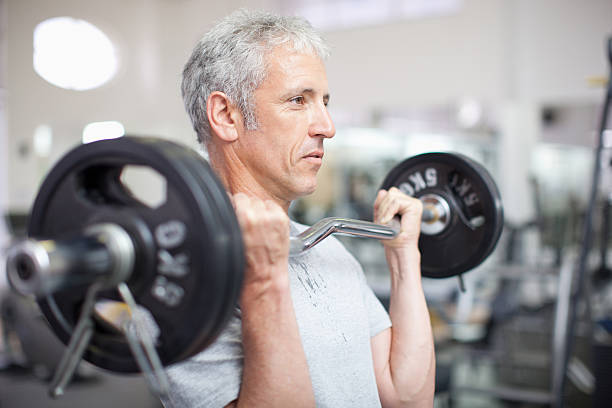
Muscle Mass Loss: The Unseen Threat
One of the most significant issues facing men and women over 50 who neglect strength training is muscle mass loss, a condition known as sarcopenia. After the age of 30, individuals begin to lose muscle mass at a rate of 3-5% per decade, and this rate accelerates after 50. Sarcopenia not only makes daily activities more difficult but also increases the risk of falls and injuries, as muscles are no longer able to support the body effectively.
For men, this muscle loss can lead to a decrease in testosterone levels, which further exacerbates the decline in muscle mass. Women, particularly after menopause, experience a reduction in oestrogen levels, which is linked to both muscle and bone density loss. Without weightlifting or resistance training to counter these effects, older adults can face accelerated muscle degradation.

Bone Density Decline: A Hidden Risk for Osteoporosis
Beyond muscle loss, not lifting weights can also have a profound impact on bone health. Weight-bearing exercises are essential for maintaining bone density, which naturally decreases with age. Women are especially susceptible to bone density loss due to hormonal changes post-menopause, making them more prone to osteoporosis and fractures. However, men are not immune to this risk either, as they also experience bone density reduction as they age.
Strength training helps to stimulate bone growth and improve bone mineral density, which is crucial for preventing osteoporosis. By not engaging in regular weightlifting, individuals over 50 miss out on one of the most effective methods to preserve their bone health and reduce the likelihood of fractures, especially in the spine, hips, and wrists.
Metabolic Slowdown and Weight Gain
A common complaint among older adults is weight gain, often attributed to a slower metabolism. While age-related metabolic decline is natural, it is closely linked to the loss of muscle mass. Muscles are metabolically active tissue, meaning they burn more calories even at rest. As muscle mass decreases, so does the body’s ability to burn calories efficiently, leading to an increase in fat accumulation.
For those over 50, especially those who are less active or do not lift weights, this metabolic slowdown can result in significant weight gain, particularly around the midsection. This abdominal fat is particularly dangerous as it is linked to a higher risk of developing chronic conditions such as heart disease, type 2 diabetes, and metabolic syndrome.
By engaging in regular strength training, men and women can help combat the metabolic decline that comes with ageing, keeping their weight in check and reducing their risk of developing these conditions.
Joint Health and Mobility
Joint pain and stiffness are common complaints among older adults, often attributed to arthritis or the natural wear and tear of joints over time. However, regular weightlifting can actually help improve joint health and mobility. Strengthening the muscles around the joints provides better support and reduces the strain placed on these areas, helping to alleviate pain and improve flexibility.
In contrast, a sedentary lifestyle or lack of resistance training can exacerbate joint issues. When muscles are weak, the joints take on more pressure, which can accelerate cartilage breakdown and worsen conditions like osteoarthritis. For men and women over 50, lifting weights can therefore be a crucial component of joint health and longevity.

Mental Health and Cognitive Function
The benefits of weightlifting extend beyond physical health; there is growing evidence that strength training can have a positive impact on mental health and cognitive function as well. Studies have shown that resistance training can improve mood, reduce symptoms of anxiety and depression, and even enhance cognitive abilities in older adults.
As people age, the brain naturally undergoes changes that can lead to cognitive decline. However, strength training has been linked to improved neuroplasticity, which is the brain's ability to form new neural connections. This can help preserve memory and cognitive function, reducing the risk of dementia and other neurodegenerative diseases.
For those over 50, not lifting weights means missing out on these cognitive benefits, which can have long-term consequences for mental sharpness and overall brain health.
Maintaining Independence and Quality of Life
One of the most compelling reasons for men and women over 50 to lift weights is to maintain independence and improve their quality of life. As muscle strength and bone density decline, everyday tasks such as carrying groceries, climbing stairs, or even standing up from a chair can become increasingly difficult. This loss of physical capability can lead to a decreased sense of autonomy and reliance on others for assistance with basic activities.
Regular strength training can help older adults maintain their strength, balance, and coordination, enabling them to live independently for longer. Moreover, staying active and strong can improve overall life satisfaction, as it allows individuals to continue participating in the activities they enjoy, from hiking to playing with grandchildren.
Conclusion
Incorporating weightlifting or resistance training into one’s fitness routine is essential for both men and women over 50. The risks of not doing so—including muscle mass loss, decreased bone density, weight gain, joint pain, and cognitive decline—are significant and can lead to a reduced quality of life. By engaging in regular strength training, older adults can not only improve their physical health but also enhance their mental well-being, maintain their independence, and enjoy a more active and fulfilling life as they age.