
Scientists Warn of Potential Catastrophic Volcanic Eruption
In a stark reminder of Earth's geological might, scientists have raised concerns about a massive volcanic eruption that could dwarf historical events like the Mount Tambora eruption of 1815. According to recent research, there's a potential for an eruption with the power to reshape global climate patterns, devastate food supplies, and displace millions of people.
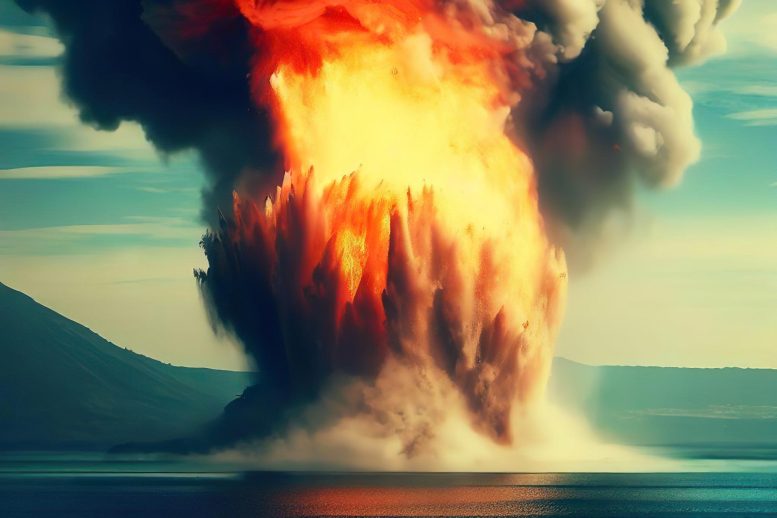
The last such colossal eruption, that of Mount Tambora, led to what is known as "the year without a summer," causing widespread famine and societal disruption across the globe due to its massive release of volcanic ash and sulfur dioxide into the atmosphere. Today, experts warn that our interconnected and densely populated world might be ill-prepared for a similar or even greater event.
Markus Stoffel, a climate professor at the University of Geneva, has emphasized the lack of global preparedness for such a disaster, noting that humanity does not have a comprehensive plan. The implications of another eruption of this magnitude include:
- Economic Collapse: Estimates suggest economic losses could exceed $3.6 trillion in the first year alone.
- Mass Displacement: Over 800 million people live within 60 miles of an active volcano, potentially facing evacuation.
- Climate Impact: The injection of sulfur dioxide into the stratosphere could lead to significant cooling effects, disrupting weather patterns and agriculture.
The study highlights the need for better monitoring, preparedness, and international cooperation to mitigate the catastrophic effects of such eruptions. Scientists are advocating for more research into volcanic behavior, improved early warning systems, and strategies for managing the aftermath of such an event.
This warning comes at a time when volcanic activity around the world remains high, with several eruptions in 2024 alone, though none yet at the scale predicted to cause global havoc. However, the potential for such an event serves as a wake-up call to reassess our readiness for natural disasters on this scale.