
A Factory for Cyborg Insects
In a significant leap in robotics and bioengineering, scientists have unveiled a groundbreaking innovation: a factory dedicated to mass-producing cyborg insects, specifically robotic cockroaches. As reported by ZME Science, this development combines advanced robotics with biological components to create insect-based devices capable of navigating and performing tasks in complex environments.
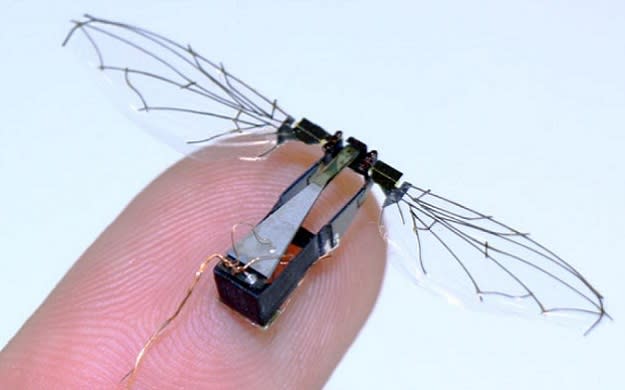
What Are Robo-Roaches?
Robo-roaches are cyborg insects—living cockroaches augmented with tiny electronic devices. These enhancements allow researchers to remotely control their movements, transforming them into bio-robots capable of undertaking tasks in areas where traditional robots might struggle.
The concept is particularly appealing for missions requiring agility and adaptability, such as disaster response, environmental monitoring, and even search-and-rescue operations.
The Factory for Cyborg Insects
The researchers have developed a fully functional manufacturing process for these robo-roaches, enabling mass production at an unprecedented scale. The factory utilises advanced robotics to attach microdevices to cockroaches in a precise and efficient manner, ensuring consistency and reliability in the final product.
Key features of the production line include:
- Automated Assembly: The integration of microelectronics and bioengineering is streamlined for rapid processing.
- High Efficiency: Each robo-roach is completed in minutes, significantly reducing production time compared to manual assembly.
- Scalability: The facility can produce large numbers of robo-roaches to meet the demands of various applications.
Applications of Cyborg Insects
- Disaster Response: Robo-roaches can navigate rubble and confined spaces, locating survivors in areas inaccessible to humans or robots.
- Environmental Monitoring: Equipped with sensors, they can detect toxins, measure air quality, and monitor ecosystems in real time.
- Scientific Research: Their unique design provides opportunities to study behaviour, locomotion, and bio-electronic integration.
Ethical Considerations
The creation of cyborg insects raises ethical questions about the treatment of living organisms. Researchers emphasise that the cockroaches are treated humanely and are not harmed during the enhancement process. Nevertheless, debates about the balance between scientific advancement and animal welfare continue to unfold.
The Future of Robo-Roaches
This innovation could revolutionise industries reliant on precise, adaptable technologies. The ability to mass-produce bio-robots opens doors to large-scale deployment in fields such as agriculture, healthcare, and military operations. Researchers also hope to expand the concept to other insect species, further diversifying the potential applications of cyborg technology.
Conclusion
The development of a factory for cyborg insects highlights the intersection of biology and robotics, pushing the boundaries of what is possible in technology. While ethical concerns remain, the potential for these robo-roaches to address real-world challenges is undeniable, marking a pivotal moment in the evolution of robotics and bioengineering.