
Africa Splitting: New Ocean Formation Accelerating, Scientists Say
Africa is undergoing a dramatic geological transformation, as new research suggests that the continent is splitting apart faster than previously thought, heralding the birth of a new ocean. This groundbreaking development, reported by The Daily Galaxy, is reshaping our understanding of plate tectonics and the Earth’s dynamic processes.
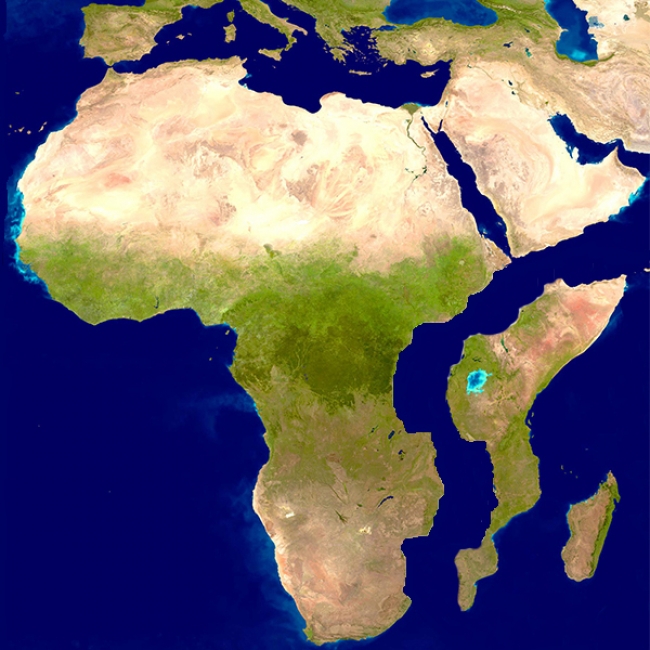
The Rift in East Africa
The East African Rift System (EARS), a tectonic boundary stretching thousands of miles, is the focal point of this geologic upheaval. Extending from the Afar region in northeastern Ethiopia to Mozambique in the south, this rift marks the dividing line between the Somali and Nubian tectonic plates. As these plates drift apart, they are paving the way for an entirely new ocean to emerge.
Why Is It Happening?
This tectonic movement is driven by forces deep within the Earth’s mantle, where intense heat causes the lithosphere to thin and eventually split. Magma rises through the cracks, creating rifts that widen over time. In East Africa, these processes are accelerating, with satellite data and field observations confirming that the rift is expanding faster than scientists initially estimated.
Geologists predict that within 5 to 10 million years, the rift will flood with seawater, creating a new ocean that will separate part of East Africa from the rest of the continent. The region, including parts of Ethiopia, Kenya, and Tanzania, may eventually form an island landmass similar to Madagascar.

Global Implications
The formation of a new ocean is a rare event in Earth’s history and provides a live laboratory for studying plate tectonics. It also has implications for understanding seismic activity, as these rifting processes can lead to earthquakes and volcanic eruptions. This knowledge is crucial for mitigating risks in a region home to millions of people.
Additionally, as the rift widens, it may reveal untapped natural resources, such as geothermal energy, that could benefit local communities and contribute to sustainable development.
Challenges Ahead
While this transformation may seem distant in human timescales, the ongoing tectonic activity already poses challenges. Communities near the rift face the risk of earthquakes and volcanic activity, which can disrupt lives and infrastructure. Governments in the region must prioritise monitoring and preparedness to minimise the impacts of these geologic changes.
A Window Into Earth’s Evolution
The East African Rift is not just a scientific curiosity; it’s a testament to the Earth’s ever-changing nature. By studying this process, scientists gain valuable insights into how continents break apart, how oceans form, and how our planet has evolved over billions of years.
As Africa splits, the new ocean will stand as a reminder of the dynamic forces that shape our world, demonstrating that even continents are not fixed but are constantly on the move.