
Astronomers Unveil Hundreds of Hidden Black Holes, Suggesting Vast Undiscovered Population
Astronomers have identified over 400 previously concealed supermassive black holes, indicating the potential existence of billions, or even trillions, more yet to be discovered.
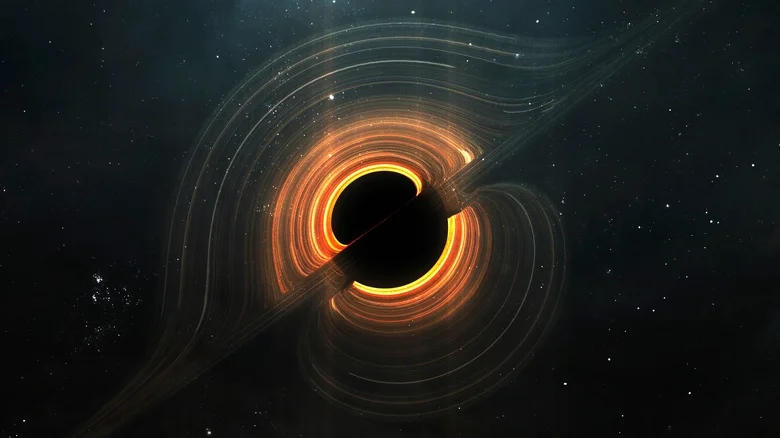
Discovery Details:
Infrared Observations: Utilizing data from NASA's Infrared Astronomical Satellite (IRAS) and the Infrared Space Observatory (ISO), researchers detected infrared emissions from dust and gas clouds surrounding these obscured black holes.
Revised Estimates: The study suggests that approximately 35% of supermassive black holes are hidden by cosmic dust and gas, a significant increase from the previous estimate of 15%. Some researchers believe the actual figure could be as high as 50%.
Implications for Astronomy:
This discovery challenges existing models of galactic evolution, as the presence of numerous hidden black holes implies that many galaxies may host active nuclei obscured by dust. Understanding the distribution and characteristics of these concealed black holes is crucial for refining theories about galaxy formation and the role of black holes in cosmic development.
Future Research Directions:
The findings underscore the need for advanced observational techniques to penetrate cosmic dust and uncover hidden black holes. Future infrared and X-ray missions are expected to provide deeper insights into these elusive objects, enhancing our comprehension of the universe's structure and the prevalence of supermassive black holes.
This study represents a significant step forward in black hole research, revealing a vast, previously unobserved population and opening new avenues for exploration in astrophysics.