
China's LARID Radar Detects Equatorial Plasma Bubbles Over Giza Pyramids
Chinese scientists have utilized the Low Latitude Long Range Ionospheric Radar (LARID) to detect equatorial plasma bubbles (EPBs) over the Great Pyramids of Giza and the Midway Islands, marking a significant advancement in space weather observation.
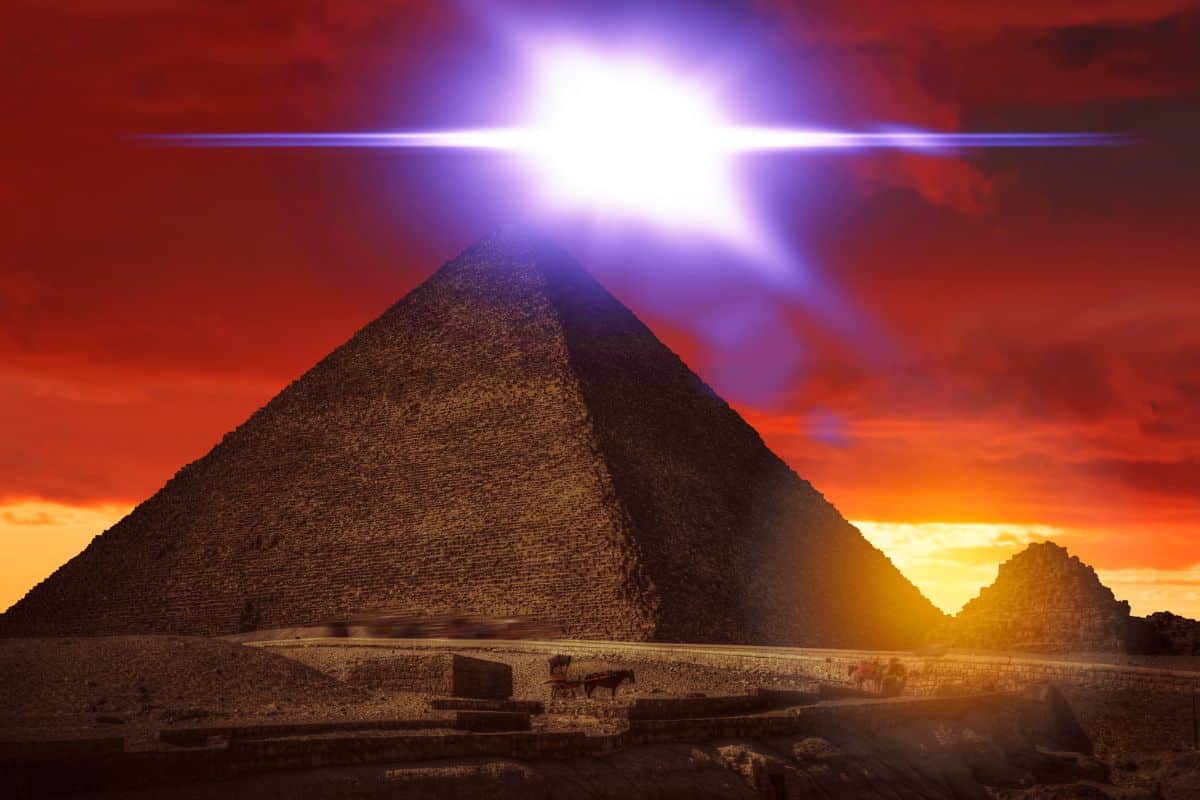
A groundbreaking observation has been made by Chinese scientists using a sophisticated radar system known as LARID (Low Latitude Long Range Ionospheric Radar). Located in Hainan, this radar has detected equatorial plasma bubbles (EPBs) hovering over the iconic Pyramids of Giza, an event that sheds new light on the study of space weather.
Equatorial plasma bubbles are essentially hot pockets of ionized gas that form in the ionosphere at low latitudes, especially after sunset. These bubbles can interfere with satellite communications and GPS systems due to their impact on the Earth's ionosphere. While not a new phenomenon, the observation of these EPBs from China's LARID radar, which can monitor events thousands of kilometers away, is noteworthy.
The detection of plasma bubbles over Egypt's Giza isn't surprising in itself, as these events are known to occur frequently in equatorial regions. However, what makes this finding significant is the distance from which the bubbles were observed. Traditionally, such observations are made from space or by ground-based radars near the event. LARID's ability to detect these from China highlights the advanced capabilities of this system, suggesting that a network of such radars could revolutionize real-time monitoring of space weather events.
This discovery not only aids in understanding the behavior of EPBs but also underscores the potential for global monitoring of these phenomena. The researchers suggest that by deploying a network of similar radars, we could achieve continuous, real-time observation, which is crucial for mitigating the disruptions caused by plasma bubbles to communication satellites.
The study also points out the seasonal and solar activity-dependent nature of EPBs, likening their occurrence to weather patterns but in space. This could lead to more accurate forecasting of these events, enhancing the resilience of satellite-based technologies against space weather disturbances.