
Climate Change-Induced Sea Ice Loss Drives Polar Bear Population Decline
Researchers from the University of Toronto Scarborough have established a direct link between the decline in the Western Hudson Bay polar bear population and diminishing sea ice resulting from climate change.
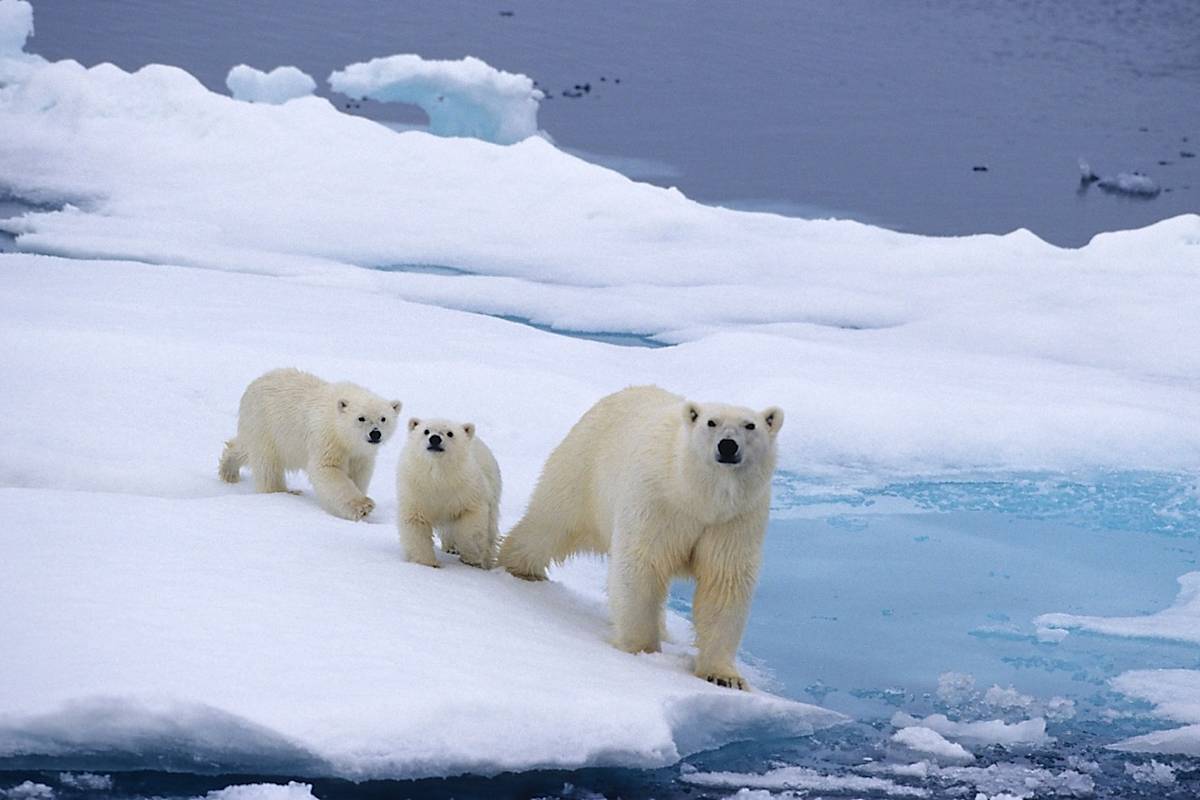
The study reveals that reduced sea ice shortens the bears' hunting season, leading to significant energy deficits.
Key Findings:
Energy Deficit: The reduction in sea ice limits the time polar bears have to hunt seals, their primary food source, forcing them to fast on land for extended periods. This imbalance adversely affects their energy reserves, leading to decreased reproduction rates and lower cub survival.
Population and Size Decline: Between 1979 and 2021, the Western Hudson Bay polar bear population decreased by nearly 50%. Additionally, the average body mass of adult females dropped by 39 kilograms (86 pounds), and one-year-old cubs by 26 kilograms (57 pounds) over the same period.
Research Methodology:
The team developed a bio-energetic model tracking the energy intake from seal hunting against the energy requirements for growth and reproduction throughout the bears' lifecycles. This model closely aligned with four decades of monitoring data, providing a comprehensive understanding of the impact of sea ice loss on polar bear energetics.
Vulnerability of Mothers and Cubs:
Shortened hunting seasons result in mothers producing less milk, jeopardizing cub survival. There has been an 11% decrease in cub litter sizes over the past 40 years, with mothers retaining their cubs longer due to their insufficient strength to survive independently.
Broader Implications:
Given that the Arctic is warming at a rate four times faster than the global average, the researchers warn that similar declines may occur in other polar bear populations. The Western Hudson Bay population serves as an indicator for global polar bear trends, emphasizing the urgent need for climate action to preserve these Arctic predators.
This study underscores the critical relationship between sea ice availability and polar bear survival, highlighting the broader ecological consequences of climate change.