
Resurrected After 46,000 Years
Unearthing Ancient Life
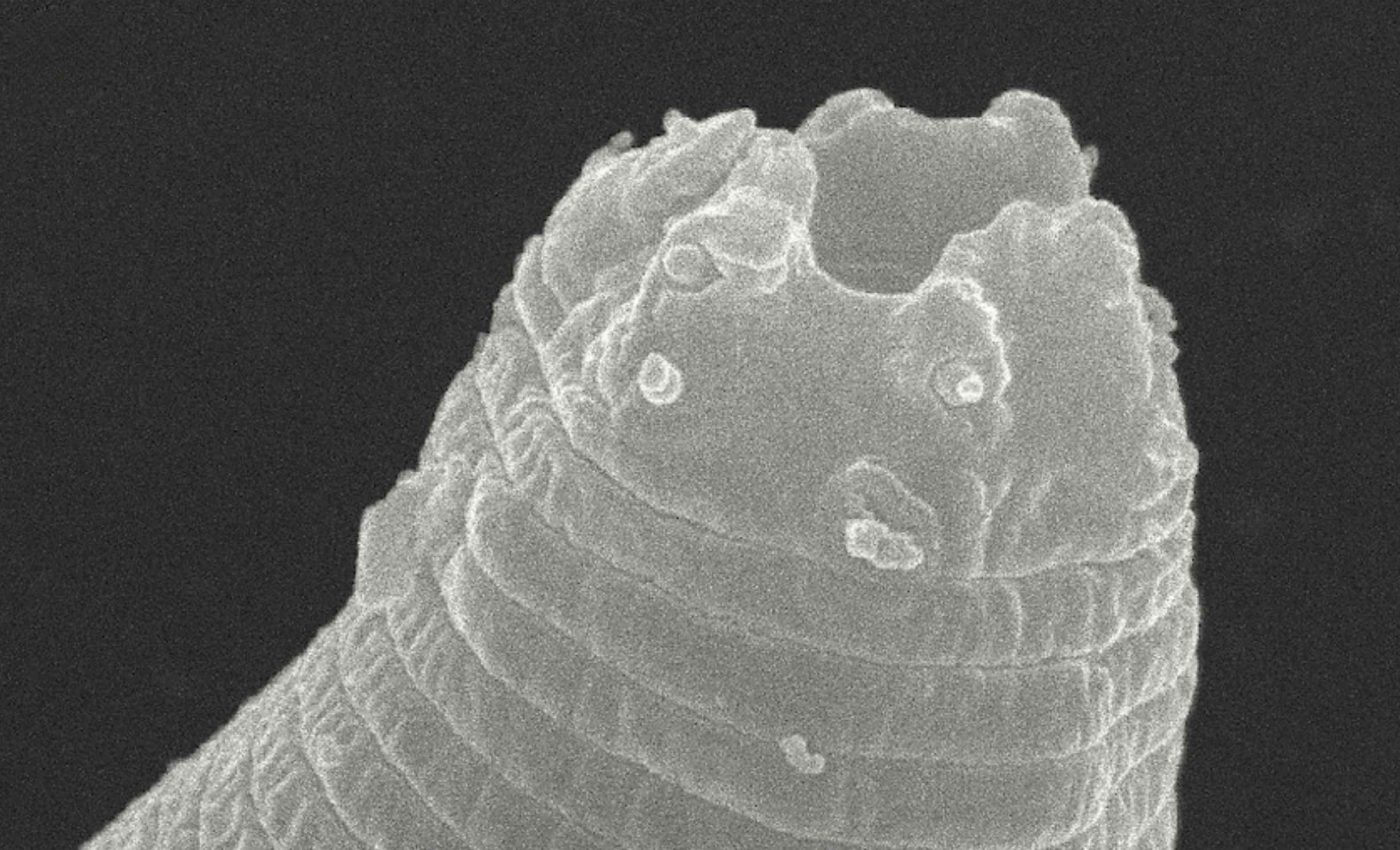
The nematode, identified as Panagrolaimus kolymaensis, was extracted from a depth of about 40 meters in the Siberian permafrost. Radiocarbon dating indicates that the sample dates back tens of thousands of years, placing it in the era when woolly mammoths roamed the Earth. Upon thawing in a modern laboratory, the worm not only resumed normal metabolic functions but also reproduced successfully, offering a unique glimpse into ancient life forms.
The Science of Suspended Animation
This nematode's survival is attributed to a process known as cryptobiosis—a state where metabolic activities halt, allowing the organism to endure extreme environmental stresses. While cryptobiosis has been observed in other microorganisms, the longevity demonstrated by P. kolymaensis is unprecedented. Dr. Philipp Schiffer, leading the research at the University of Cologne's Institute of Zoology, expressed astonishment: "No one had thought that this process could last millennia... It is simply amazing that life can begin again after so long."
Implications for Science and Beyond
The successful revival of P. kolymaensis opens new avenues in various scientific fields:
Astrobiology: Understanding cryptobiosis enhances the search for extraterrestrial life, suggesting that organisms could survive harsh conditions on other planets.
Medicine: Insights into suspended animation may inform medical strategies for preserving human tissues or organs over extended periods.
Climate Science: As permafrost thaws due to global warming, ancient microorganisms like P. kolymaensis may emerge, potentially impacting current ecosystems.
This discovery not only challenges our understanding of life's temporal limits but also underscores the remarkable adaptability of organisms in the face of Earth's changing environments.