
Differences in Human and AI Thought Revealed
Recent research has uncovered significant differences in the cognitive processes of humans and artificial intelligence (AI), with potentially far-reaching implications for various fields.
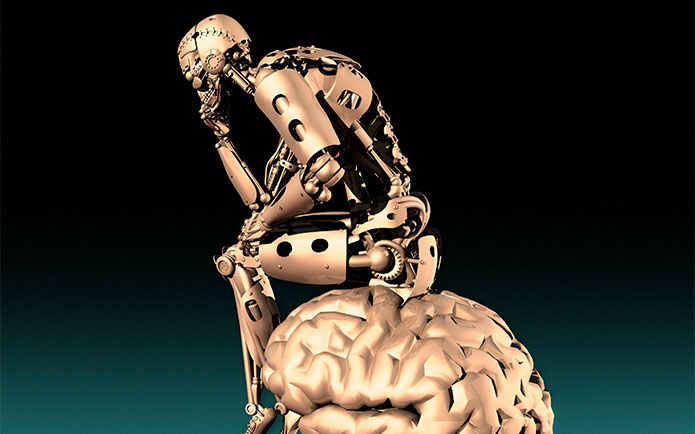
Scientists have found that while AI systems excel at processing vast amounts of data and identifying patterns, their reasoning and decision-making differ fundamentally from human thought.
One of the primary distinctions lies in how humans incorporate emotions, experiences, and social context into their decision-making. In contrast, AI operates based on algorithms and data-driven logic, often lacking the nuanced understanding that comes from human experience. This divergence can lead to different outcomes in problem-solving and creativity, with humans often exhibiting more flexibility and intuition.
The findings raise important questions about the role of AI in society, particularly in areas such as healthcare, education, and ethics. As AI systems become more integrated into daily life, understanding these differences is crucial for ensuring that technology complements human capabilities rather than replacing them.
Researchers emphasize the need for collaboration between humans and AI, leveraging the strengths of both to tackle complex challenges. By recognizing and addressing the inherent differences in thought processes, we can better navigate the evolving landscape of technology and its impact on our lives.