
A Sad Story of Youngest Alzheimer Patient
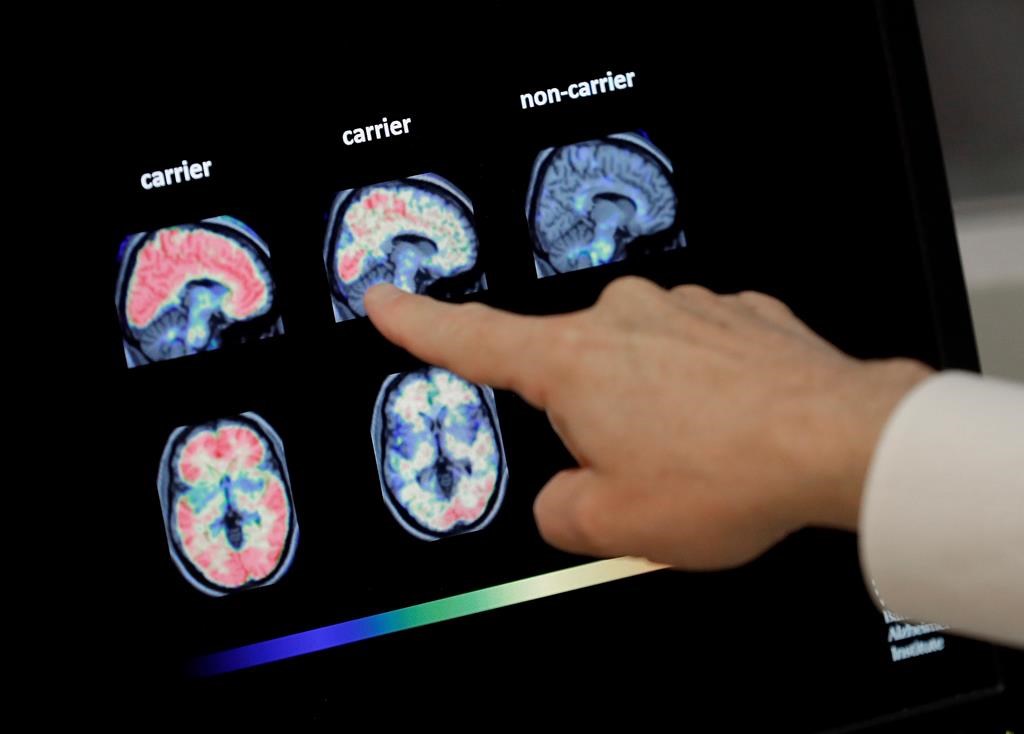
In 2023, neurologists in China encountered an alarming and unprecedented case—a 19-year-old male was diagnosed with Alzheimer's disease (AD), making him the youngest individual in the world to receive this diagnosis. The discovery has raised new questions about the understanding and potential causes of this devastating neurological condition, traditionally associated with the elderly.
The young man’s cognitive issues began when he was 17 years old, with early signs of memory decline that continued to worsen over time. By the time he was referred to a memory clinic at the Capital Medical University in Beijing, his ability to recall recent events had severely deteriorated. Brain imaging showed significant shrinkage in the hippocampus, a region essential for memory processing, while his cerebrospinal fluid exhibited markers commonly found in Alzheimer's patients.
Alzheimer's disease is often regarded as an affliction of the elderly, with the majority of diagnoses occurring in individuals aged 65 and over. However, around 10% of cases are classified as early-onset Alzheimer's, affecting people under the age of 65. Even within this category, cases involving individuals under 30 are exceedingly rare. Typically, such early-onset cases are linked to familial Alzheimer's disease (FAD), a hereditary form of the condition caused by specific genetic mutations. These mutations, passed down through generations, lead to the formation of toxic protein clumps in the brain that are characteristic of Alzheimer's.
In this extraordinary case, however, the 19-year-old patient exhibited none of the known genetic mutations associated with FAD. Neurologists conducted a genome-wide search but found no signs of the faulty genes that are typically responsible for early-onset Alzheimer's. This made the case even more perplexing, as no clear genetic or environmental factors could explain the young man’s sudden and severe cognitive decline.
Before this diagnosis, the youngest known Alzheimer’s patient was a 21-year-old individual with a mutation in the PSEN1 gene. This mutation triggers the abnormal build-up of proteins in the brain, leading to the formation of plaques that disrupt normal brain function. The absence of such a mutation in the 19-year-old’s case has led scientists to question whether other, yet undiscovered mechanisms may be at play in triggering the disease in younger individuals.
The mystery deepened as neurologists uncovered that none of the teenager’s family had any history of Alzheimer's or dementia, ruling out familial links. Additionally, there were no signs of infections, traumatic brain injuries, or other medical conditions that could have led to his cognitive issues. His symptoms began to surface two years before his diagnosis, when he started struggling with concentration and reading in school. Eventually, his short-term memory became so impaired that he frequently forgot events from the previous day and regularly misplaced personal belongings. These cognitive difficulties forced him to drop out of high school, though he remained capable of independent living.
By the time he was evaluated at the memory clinic, the patient’s memory performance had sharply declined. His ability to recall information immediately and after short and long delays was significantly worse than his peers. His full-scale memory score was found to be 82% lower than others his age, while his immediate memory score was 87% lower. Such results were consistent with advanced memory loss typically seen in Alzheimer’s patients, but in a shockingly young person.
Despite the lack of a clear genetic explanation, the medical team believes the case challenges current perceptions of Alzheimer’s and opens new avenues for research. The patient’s neurologists, led by Dr Jianping Jia, stressed that the case "alters our understanding of the typical age of onset of AD," and indicates that much remains unknown about the potential causes of early-onset Alzheimer's.
The patient’s case study, published in early 2023, underscores the complexity of Alzheimer's disease and suggests that it may emerge through multiple mechanisms, many of which are yet to be discovered. While Alzheimer's is typically associated with certain genetic mutations or age-related degeneration, this diagnosis has forced researchers to reconsider the possibility of other, hidden triggers for the disease.
The team behind the study hopes that further investigation into early-onset cases like this one will lead to a deeper understanding of memory loss and cognitive decline. They noted that these rare cases of early-onset Alzheimer's present an important scientific challenge and could unlock new insights into how the disease develops and progresses across different age groups. Exploring the mysteries surrounding young Alzheimer's patients, they argue, may be key to answering some of the most pressing questions in neurology today.