
Inevitable Space Junk Crisis: A Collision Course with Catastrophe
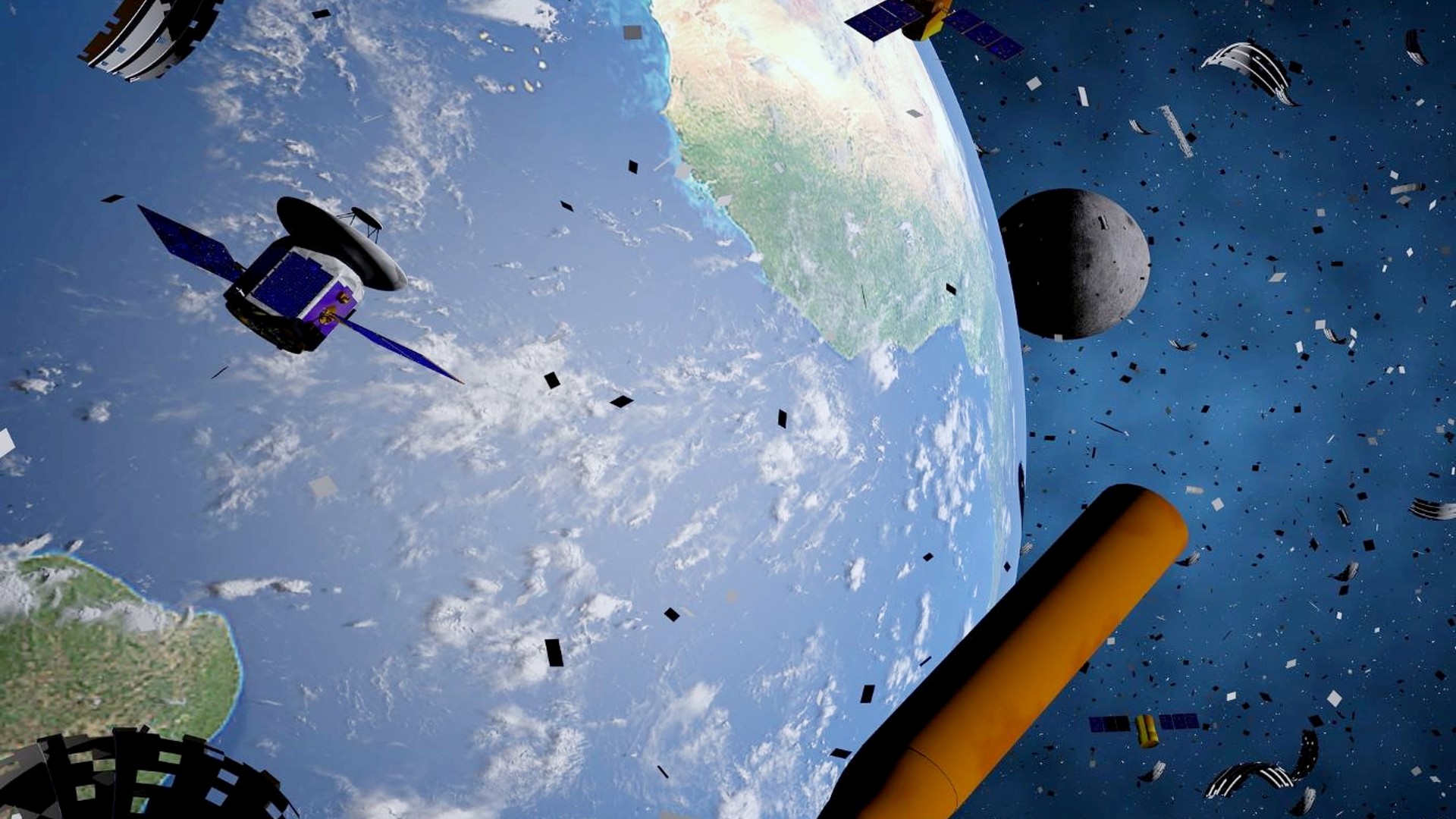
Space debris, increasingly crowding Earth's orbit, poses a growing and inevitable threat, scientists warn. Experts from LeoLabs, an orbital mapping firm, describe this situation as a "ticking time bomb," with nearly 30,000 objects larger than a softball hurtling through space at alarming speeds. While collisions have yet to result in loss of human life, recent close calls and damage to spacecraft, such as the Canadarm2, highlight the escalating risk.
LeoLabs tracks objects as small as four inches in diameter, but even fragments smaller than that can be lethal. One of the most significant challenges in space debris management lies in addressing past activities. Both the US and the Soviet Union, during the Cold War, left large rocket stages abandoned in orbit, resulting in hazardous remnants. These relics of past missions continue to drift in low-Earth orbit, threatening catastrophic collisions that could set off a chain reaction known as the Kessler Syndrome.
In 2022, a Soviet and American rocket upper stage came within 500 feet of colliding, demonstrating the risk posed by forgotten debris. Such collisions could have far-reaching consequences for satellites, astronauts, and our space infrastructure, potentially making parts of space unusable for generations.
With the increasing number of countries entering the space race, cooperation among the major spacefaring nations— the US, Russia, and China— is critical. Yet, despite the urgency, the international community faces challenges in coordinating cleanup efforts. The risk grows as space ventures expand, and without concrete action, the window to prevent disaster is rapidly closing.
LeoLabs, while advocating for diplomatic efforts, remains focused on detecting and addressing immediate risks. However, time is running out as debris continues to accumulate.