
End of Low Cost Airlines?
European Low-Cost Carriers Set to Outpace American Airlines with Innovative Strategies
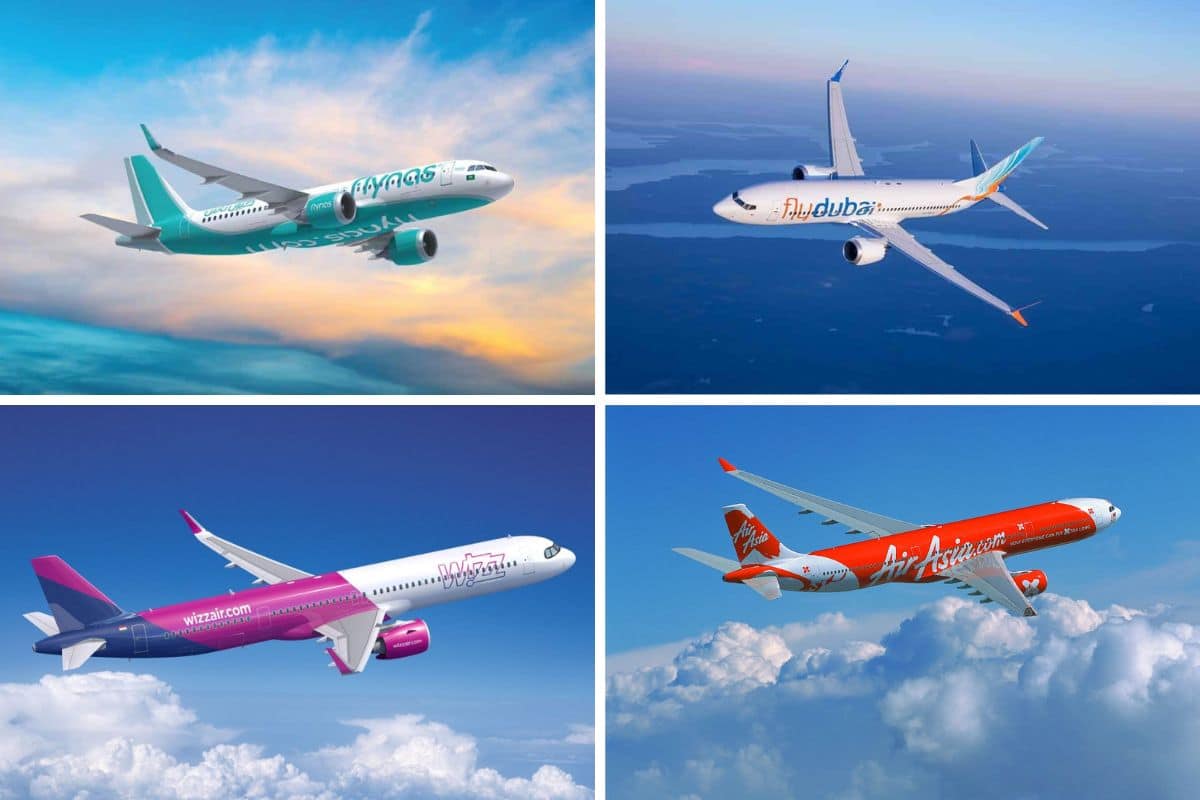
As the airline industry grapples with the aftermath of the pandemic, European low-cost carriers, including Ryanair, easyJet, and Wizz Air, are emerging as leaders in profitability. These airlines are leveraging a range of innovative strategies that not only bolster their financial health but also serve as valuable lessons for their American counterparts, which have traditionally dominated the skies.
A Shift in the Airline Landscape
The landscape of air travel has changed significantly since the onset of COVID-19. While American airlines initially appeared to rebound more robustly due to government support and domestic travel demand, European low-cost carriers have demonstrated remarkable agility and adaptability in their business models. This shift has prompted industry analysts to take a closer look at the tactics employed by these European airlines and consider their implications for the broader aviation sector.
Strategies Driving Profitability
Several key strategies have contributed to the rising profitability of European low-cost airlines:
- Dynamic Pricing Models: Ryanair, for instance, has honed its dynamic pricing strategies to optimise revenue. By adjusting fares in real time based on demand, these airlines can maximise their profits, particularly during peak travel seasons.
- Ancillary Revenue Streams: Beyond ticket sales, low-cost carriers have increasingly capitalised on ancillary revenues. This includes charging for baggage, seat selection, and in-flight services. Ryanair has been particularly adept at expanding its ancillary offerings, which now make up a significant portion of its income.
- Efficient Operations: Streamlined operations and a focus on quick turnarounds have enabled these airlines to increase their flight frequencies without incurring substantial additional costs. Wizz Air, for example, has built its model around efficient aircraft utilisation, allowing it to maintain lower operational costs.
- Focus on Secondary Airports: Many low-cost carriers have strategically chosen to operate from secondary airports, which often have lower landing fees and less congestion. This not only reduces operational costs but also allows airlines to offer quicker service and more convenient travel options for passengers.
Lessons for American Airlines
American airlines have historically focused on full-service offerings, including business class and premium services. However, the financial success of European low-cost carriers is prompting a reassessment of this approach. Analysts suggest that American airlines could benefit from adopting some of the following strategies:
- Embrace Ancillary Revenue: While American airlines do generate revenue from ancillary services, there is potential for further growth. Implementing more varied and creative ancillary offerings could enhance profitability without significantly altering their core business model.
- Consider Dynamic Pricing: Integrating more sophisticated pricing models similar to those employed by European carriers could help American airlines better capitalise on fluctuating demand and improve their revenue management.
- Operational Efficiency: American airlines could learn from the operational efficiencies of low-cost carriers. Streamlining operations and reducing turnaround times may help them enhance service frequency while managing costs more effectively.
The Future of Air Travel
As the airline industry continues to evolve, the strategies employed by European low-cost carriers may very well shape the future of air travel. With rising fuel prices and increasing competition, American airlines must adapt to maintain their market positions. Embracing some of the innovative practices seen in Europe could be key to unlocking new avenues for profitability.
Conclusion
The financial performance of European low-cost airlines like Ryanair, easyJet, and Wizz Air signals a significant shift in the airline industry. Their ability to adapt and innovate in the face of challenges has not only set them apart but has also provided a blueprint for success that American airlines cannot afford to ignore. By integrating lessons learned from their European counterparts, American carriers can navigate the post-pandemic landscape and emerge stronger than ever, ultimately redefining the future of air travel.