
World’s Largest Tokamak, JT-60SA, Achieves Plasma Breakthrough in Fusion Research
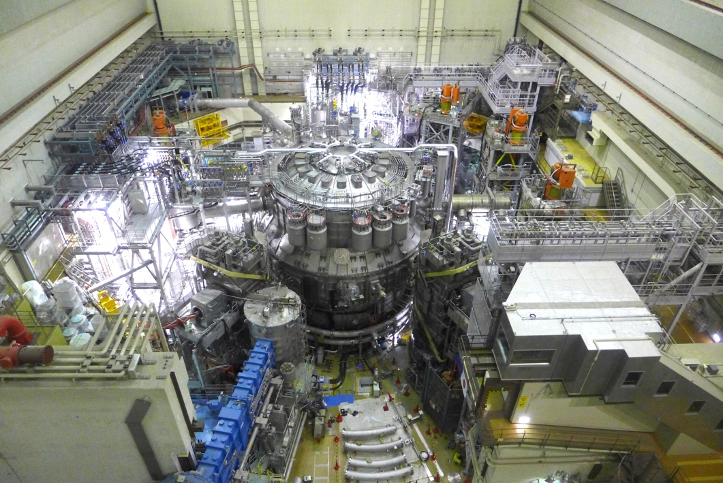
In a significant advancement for the field of nuclear fusion, the JT-60SA, the largest tokamak in the world, has successfully generated plasma, marking a pivotal moment in the quest for clean and sustainable energy. This groundbreaking achievement not only underscores the capabilities of the advanced fusion facility but also enhances the global pursuit of harnessing fusion as a viable energy source.
A Milestone for Fusion Energy
The JT-60SA, situated in Naka, Japan, is a collaboration between the Japan Atomic Energy Agency (JAEA) and the European Commission’s Fusion for Energy (F4E) programme. The tokamak is designed to facilitate extensive research into fusion energy, particularly in its role as a potential alternative to fossil fuels. The successful generation of plasma is a key milestone that demonstrates the reactor’s ability to create the necessary conditions for nuclear fusion to occur.
Understanding the Tokamak and Its Purpose
A tokamak is a device that uses magnetic fields to confine plasma in a doughnut-shaped configuration, allowing for the conditions necessary for nuclear fusion reactions. The process mimics the energy production of the sun, where hydrogen atoms fuse to form helium, releasing vast amounts of energy in the process. Achieving stable plasma conditions is essential for sustaining fusion reactions, and the JT-60SA is equipped with advanced technology to optimise this.
The JT-60SA aims to support the International Thermonuclear Experimental Reactor (ITER) project, which is expected to be the first fusion reactor to produce more energy than it consumes. The knowledge and data obtained from the JT-60SA will be invaluable in refining the designs and operational strategies for ITER and future fusion reactors.
Technical Specifications and Innovations
The JT-60SA incorporates several innovative features that set it apart from previous fusion devices. It boasts a superconducting magnet system, which enables it to operate at much higher magnetic fields while consuming less energy than conventional systems. This allows for the creation of plasma that can reach temperatures exceeding 100 million degrees Celsius, a requirement for achieving fusion.
In addition to its advanced magnetic confinement system, the JT-60SA includes cutting-edge diagnostic tools that enable real-time monitoring of plasma behaviour. These tools are crucial for understanding the dynamics of plasma and addressing potential instabilities that can arise during experiments.
Implications for the Future of Energy
The successful generation of plasma at the JT-60SA represents a major step forward in the quest for sustainable energy solutions. As the world grapples with climate change and the pressing need to transition away from fossil fuels, fusion energy presents a promising alternative. It offers the potential for a clean, abundant, and virtually limitless source of power.
Fusion energy, if successfully harnessed, could provide a stable energy supply without the greenhouse gas emissions associated with traditional energy sources. The insights gained from the JT-60SA will not only contribute to the ITER project but also pave the way for future fusion reactors that could revolutionise the energy landscape.
Conclusion
The achievement of plasma generation at the JT-60SA is a significant milestone in nuclear fusion research, bringing humanity closer to realising the dream of fusion as a practical energy source. As scientists continue to refine their understanding of plasma behaviour and the conditions necessary for fusion, the potential for a cleaner and more sustainable energy future remains within reach. With ongoing collaborations and advancements in fusion technology, the journey towards achieving energy from the stars continues to gain momentum.