
From Farm to Table: Nutritious Alternatives to Processed Foods
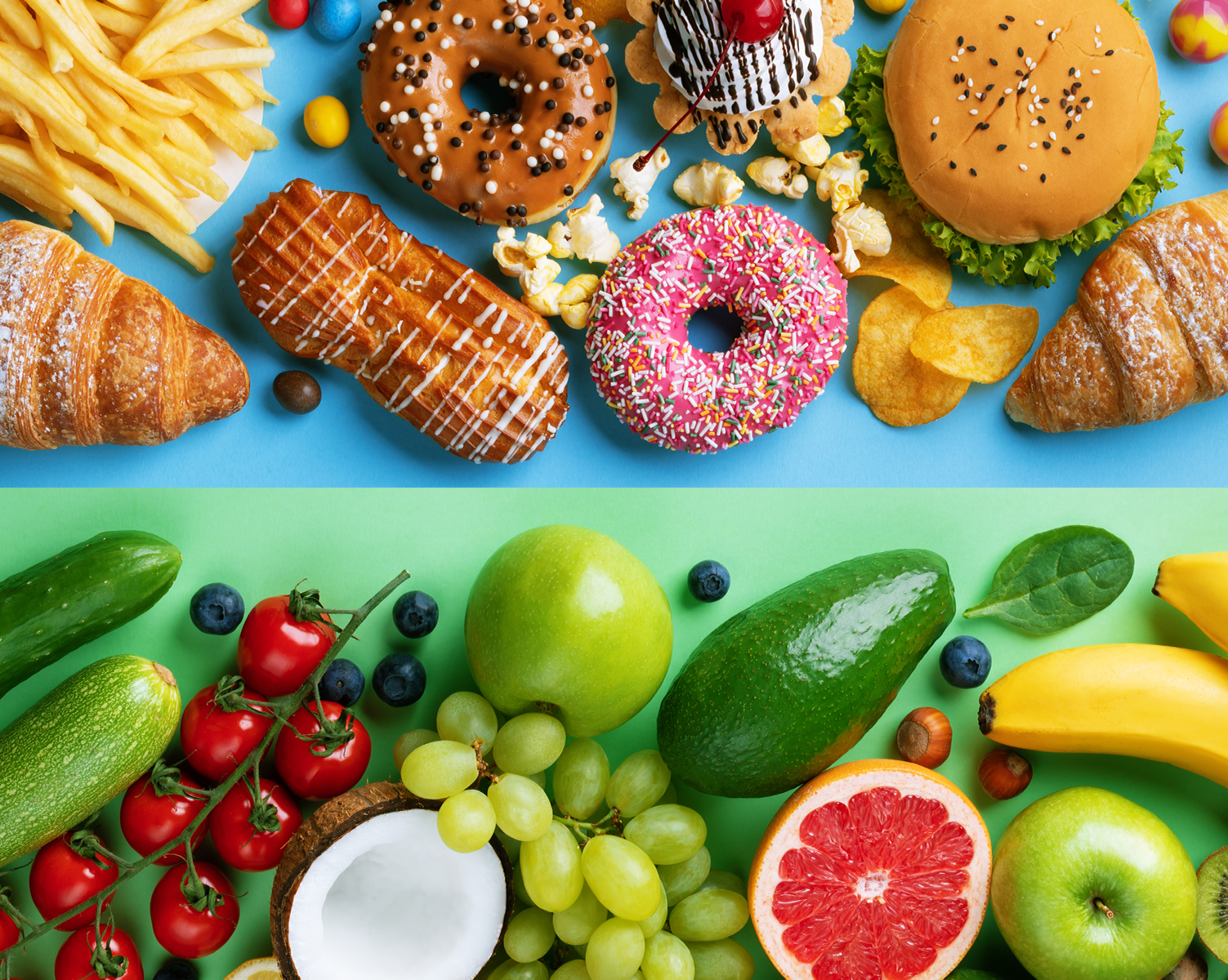
In today’s fast-paced world, processed foods have become a staple in many diets due to their convenience and longer shelf life. However, the trade-off often comes at the cost of nutrition and health. Processed foods, which are typically high in added sugars, unhealthy fats, and artificial ingredients, can contribute to a range of health issues, including obesity, heart disease, and diabetes. As awareness of these risks grows, many are seeking healthier alternatives that provide the same convenience while offering better nutritional value.
The farm-to-table movement is one such alternative, focusing on fresh, locally sourced foods that are minimally processed. This article explores the benefits of transitioning from processed foods to healthier, farm-fresh alternatives, and how making small changes can have a significant impact on overall health and well-being.
The Problem with Processed Foods
Before delving into nutritious alternatives, it is important to understand why processed foods are problematic. Processed foods are often stripped of their natural nutrients during manufacturing, leaving them with little nutritional value. They are also typically high in calories, saturated fats, sugars, and sodium, all of which contribute to a host of health problems.
One of the biggest issues with processed foods is that they are designed to be addictive. The combination of high sugar and fat content can trigger the brain’s reward system, leading to overeating and, over time, weight gain and metabolic disorders. Furthermore, the preservatives and artificial ingredients used in processed foods can negatively affect the body’s natural processes, potentially leading to chronic inflammation and long-term health issues.
The Farm-to-Table Movement: A Return to Simplicity
The farm-to-table concept encourages a return to the basics by focusing on foods that are fresh, local, and minimally processed. This movement is not only about improving nutrition but also about supporting local farmers and promoting sustainability. When food is grown and consumed locally, it tends to be fresher, as it does not require long transportation times or preservation techniques that reduce its nutritional quality.
Farm-to-table eating also emphasises seasonality, meaning that people consume foods when they are naturally harvested, which often results in better flavour and nutrition. For example, tomatoes picked at the height of summer are far more nutritious and flavourful than those that are grown out of season and shipped from faraway locations.
By choosing locally sourced, farm-fresh ingredients, individuals can significantly improve their diet without sacrificing taste or convenience. Many local markets now offer a wide range of fresh produce, meats, dairy, and grains, providing ample opportunity to make healthier choices.
Nutritious Alternatives to Processed Foods
Fresh Fruits and Vegetables
- One of the simplest and most effective alternatives to processed snacks is fresh fruits and vegetables. Unlike their processed counterparts, which are often loaded with sugars and preservatives, fresh produce is packed with vitamins, minerals, fibre, and antioxidants. Incorporating more fruits and vegetables into the diet can improve digestion, boost immunity, and reduce the risk of chronic diseases.
- For those who find it challenging to eat more fruits and vegetables, consider shopping at local farmers' markets where the produce is fresher and often more flavourful than what is available at big-box grocery stores. Additionally, getting into the habit of preparing fresh snacks such as sliced cucumbers, bell peppers, or apples can make it easier to avoid processed options.
Whole Grains Instead of Refined Grains
Refined grains, such as white bread and pasta, are stripped of their natural nutrients during processing. Whole grains, on the other hand, retain their fibre, vitamins, and minerals, making them a much healthier option. Switching from refined to whole grains can help regulate blood sugar levels, improve digestion, and lower the risk of heart disease.
- Some excellent whole grain alternatives include quinoa, brown rice, farro, and oats. These grains are easy to cook and can be used in a variety of dishes, from breakfast bowls to hearty salads.
Grass-Fed and Pasture-Raised Proteins
Processed meats, such as bacon, sausage, and deli meats, are often high in sodium and nitrates, which can increase the risk of cardiovascular diseases and certain cancers. A healthier alternative is to choose grass-fed and pasture-raised meats, which are higher in omega-3 fatty acids and other essential nutrients.
- These meats are also more sustainable, as they come from animals that are raised in a more natural environment, contributing to better overall animal welfare and environmental practices. Additionally, grass-fed meats tend to be leaner and contain fewer harmful additives, making them a better choice for heart health.
Dairy Alternatives: From Farm to Fridge
While dairy products like cheese and yogurt can be a healthy part of a balanced diet, it’s essential to choose options that are minimally processed and free of added sugars. For those looking to avoid dairy, plant-based alternatives such as almond, oat, and coconut milk can offer similar benefits without the risks associated with processed dairy products.
- Just like with other food categories, local farms often provide fresh dairy products that are minimally processed, making them a better alternative to highly processed versions found in supermarkets. These fresh dairy products retain more of their natural nutrients, providing a richer source of calcium and other essential vitamins.
Healthy Fats: Say Goodbye to Trans Fats
Processed foods are often laden with unhealthy trans fats, which are known to raise bad cholesterol levels and increase the risk of heart disease. Healthier fat alternatives include avocados, nuts, seeds, and olive oil. These fats are not only beneficial for heart health but also help with nutrient absorption and support brain function.
- Incorporating healthy fats into meals is as simple as drizzling olive oil over a salad, adding avocado slices to a sandwich, or snacking on a handful of almonds.
Simple Steps to Make the Switch
Transitioning from processed foods to farm-fresh alternatives may seem daunting, but small changes can make a big difference. Start by gradually incorporating more fresh produce, whole grains, and lean proteins into daily meals. Planning meals around seasonal, locally sourced ingredients can make cooking more enjoyable and ensure that the food is packed with flavour and nutrients.
Additionally, reading food labels carefully and opting for products with fewer ingredients and minimal processing can help avoid hidden sugars and preservatives.
Conclusion
Moving away from processed foods and adopting a farm-to-table approach can have profound health benefits. By focusing on fresh, local, and minimally processed ingredients, individuals can nourish their bodies with the vitamins, minerals, and nutrients they need to thrive. Whether it's swapping out processed snacks for fresh fruit or choosing grass-fed meats over processed deli cuts, these small changes can lead to a healthier, more sustainable lifestyle