
Mother Nature’s Mosaic: A Bright and Vibrant Fall Awaits
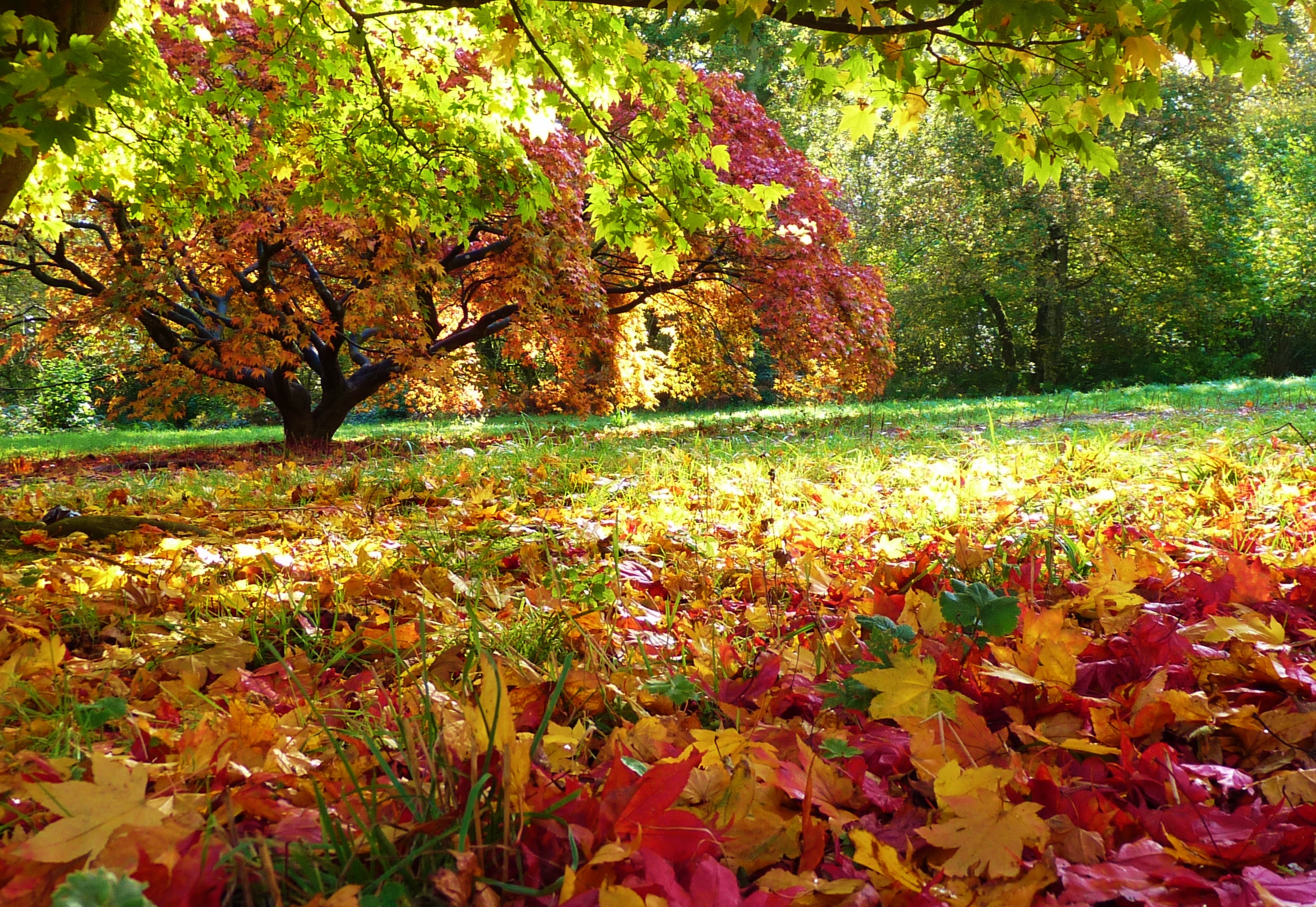
As the summer fades and cooler temperatures descend, nature undergoes one of its most visually stunning transformations – the arrival of autumn. In many parts of the world, the vibrant hues of fall foliage provide a breath-taking mosaic of colours that captivate the eyes and stir the soul. This seasonal spectacle, where leaves turn from lush greens to fiery reds, oranges, yellows, and browns, is not just a feast for the senses but also an intricate dance driven by biological and environmental factors.
2024’s autumn promises to be particularly vivid, according to experts, with favourable conditions lining up to produce a bright and dazzling display of fall colours. The science behind this annual transformation is a blend of botany, chemistry, and meteorology, creating a seasonal phenomenon that depends on various natural conditions coming together in perfect harmony.
The Science Behind Autumn’s Colour Palette
The changing colours of autumn leaves are the result of chemical processes taking place within the trees as they prepare for the colder months. During the growing season, chlorophyll – the pigment responsible for the green colour in leaves – plays a crucial role in photosynthesis, enabling plants to convert sunlight into energy. However, as daylight hours shorten and temperatures drop, chlorophyll production slows down and eventually stops.
Once the chlorophyll breaks down, other pigments that have been present in the leaves all along begin to emerge. Carotenoids, for example, are responsible for the yellow and orange hues, while anthocyanins create the brilliant reds and purples. These pigments take centre stage, giving the foliage its characteristic autumn colours.
While the basic mechanism behind this transformation is the same every year, the intensity and brilliance of the colours can vary widely depending on the weather and environmental conditions leading up to the fall season.
2024: A Perfect Storm for Bright Fall Colours
According to meteorologists and ecologists, 2024 is shaping up to be an exceptional year for fall foliage, particularly across the Northern Hemisphere. Several key factors are coming together to create ideal conditions for a vibrant display of autumn colours.
One of the most important influences on fall foliage is the weather leading up to and during the fall season. A combination of sunny days and cool, crisp nights can enhance the intensity of the colours, especially the reds and purples, which are influenced by temperature fluctuations. This year, regions across North America, Europe, and parts of Asia have experienced just the right balance of these conditions. Warm days have provided ample sunshine for photosynthesis to continue, while cooler nights have helped trap sugars in the leaves, encouraging the production of anthocyanins.
In addition to the weather, rainfall patterns also play a critical role in determining the quality of fall foliage. Adequate rainfall throughout the summer and early autumn ensures that trees remain healthy and hydrated, which is essential for maintaining vibrant leaf colours. This year, many regions have enjoyed consistent rainfall, reducing the risk of drought stress, which can cause leaves to brown prematurely and drop before they reach their full colour potential.
The Role of Tree Species in Fall Foliage
Not all trees turn the same colours in autumn, and the specific species in a given area can have a significant impact on the visual display. In regions where sugar maples are abundant, for instance, the foliage is often dominated by bright reds and oranges. Oaks, on the other hand, tend to produce deeper browns and more muted tones. Aspens and birches add pops of yellow to the mix, creating a diverse and varied landscape.
The timing of the colour change also varies by species, which means that different types of trees reach their peak colours at different times. This staggering of peak colour periods can result in an extended fall foliage season, allowing people to enjoy the spectacle over several weeks.
In 2024, experts expect an unusually long and colourful fall season in many parts of the world due to the favourable environmental conditions. This means that even if some areas experience early frosts or storms, there will still be plenty of opportunities to witness the seasonal beauty.
Climate Change’s Impact on Fall Foliage
While 2024 promises a vibrant and colourful autumn, the long-term outlook for fall foliage is less certain. Climate change poses a significant threat to the delicate balance of conditions required for an optimal display of autumn colours. Warmer temperatures, shifting rainfall patterns, and more frequent extreme weather events all have the potential to disrupt the timing and intensity of fall foliage.
For instance, warmer autumns can delay the onset of colour change, while excessive rainfall or droughts can reduce the vibrancy of the leaves. In some regions, trees may experience increased stress due to changing climate conditions, which could result in earlier leaf drop or less colourful displays.
Furthermore, the species composition of forests is likely to change over time as certain trees struggle to adapt to shifting climate conditions. Trees that are more sensitive to temperature changes or water availability may become less dominant, potentially altering the overall look and feel of fall foliage in certain areas.
Where to See the Best Fall Foliage in 2024
If you’re hoping to experience the best of this year’s fall foliage, certain regions are expected to put on especially stunning displays. In North America, the northeastern United States and eastern Canada are renowned for their vibrant autumn colours, with states like Vermont, New Hampshire, and Maine offering some of the most iconic fall scenery. The Appalachian Mountains and the Great Smoky Mountains also provide excellent leaf-peeping opportunities, with a wide variety of tree species creating a kaleidoscope of colours.
In Europe, the forests of Germany, Switzerland, and Austria are expected to burst into colour, while Japan’s famous autumn leaves, known as koyo, will be on full display in regions like Kyoto and Nikko. The mountains of Norway and Sweden are also prime destinations for those looking to enjoy the autumnal beauty.
For those in Asia, South Korea’s national parks and the Chinese provinces of Sichuan and Yunnan are known for their spectacular fall foliage, with vibrant reds and yellows adorning the landscapes.
The autumn of 2024 is set to be one of the brightest and most colourful in recent years, thanks to a perfect combination of weather and environmental factors. For nature lovers and outdoor enthusiasts, this is the ideal time to soak in the beauty of the season and appreciate the natural world’s ability to create such stunning displays.
However, as we enjoy this year’s vibrant foliage, it is also a reminder of the delicate balance that exists in nature. Climate change is already affecting the patterns and quality of fall foliage in many parts of the world, and it will be crucial to protect and preserve the natural environments that make these seasonal spectacles possible for future generations.