
Meta Unveils AI-Powered Ray-Ban Smart Glasse

A Glimpse into the Future of Wearable Tech
Meta has once again pushed the boundaries of wearable technology with the introduction of its AI-powered Ray-Ban smart glasses. Unveiled in September 2024, these smart glasses are designed to revolutionise how users interact with their environment, blending style and cutting-edge AI features in a sleek, transparent frame. This bold new venture by Meta represents not only a significant leap in augmented reality (AR) and wearable devices but also a deepening commitment to embedding artificial intelligence (AI) into daily life.
The smart glasses are the latest product in Meta’s ongoing collaboration with Ray-Ban, which began in 2021 with the launch of Ray-Ban Stories. The new iteration, however, incorporates a far more sophisticated set of AI functionalities aimed at simplifying life and enhancing personal productivity.

AI-Powered Features
One of the most exciting developments in these smart glasses is the integration of AI-powered features that go beyond what traditional wearable tech offers. Meta has implemented functionalities such as real-time reminders and on-the-go language translation, which are activated and managed through voice commands. These innovations highlight Meta’s ambition to create a seamless interface between humans and machines, leveraging AI to enhance the user’s cognitive and sensory abilities.
1. AI Reminders:
With the Ray-Ban smart glasses, users can set reminders simply by speaking commands. Imagine walking through your day, receiving subtle visual or auditory reminders about important tasks or events without having to look at your phone or a screen. This hands-free feature enables users to stay on top of their schedules, making time management easier and more intuitive.
2. Language Translation:
The glasses can also translate spoken language in real-time, a feature that could be a game-changer for travellers or individuals working in multinational environments. As you converse with someone in a foreign language, the AI translates their speech into your native language and displays the translated text in your field of view. This on-the-spot translation tool represents a significant leap in AR’s ability to break down language barriers.
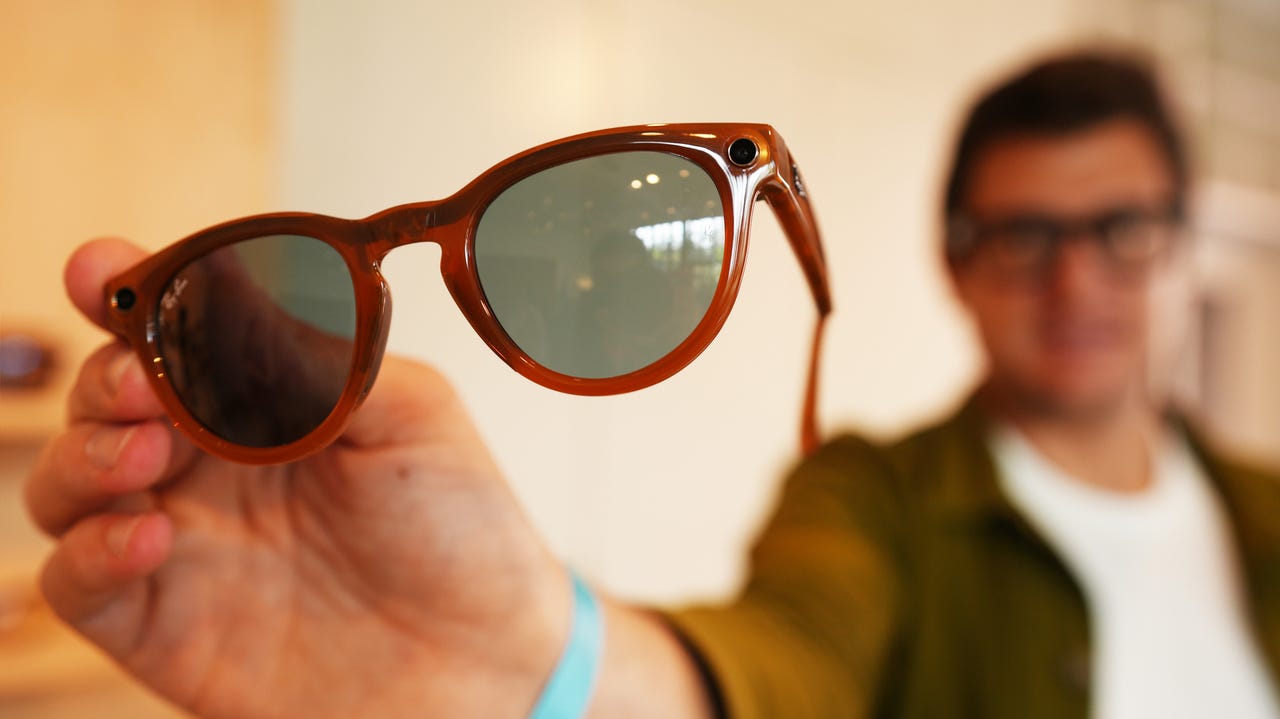
Transparent Style and Design
Meta has paid careful attention to the aesthetic of the smart glasses, which sport a transparent frame that offers a stylish yet subtle look. Unlike other smart glasses on the market, which are often bulky and overtly technological in appearance, Meta's latest offering appears more like a regular pair of fashionable Ray-Ban eyewear. This focus on blending technology with everyday style is a critical part of Meta’s strategy, aiming to make smart wearables more widely accepted by the general public.
The transparent frame design allows the glasses to offer AR functionalities without drawing attention to the technology. Meta has taken care to ensure that the AI components do not overwhelm the device’s visual appeal, thereby making it easier for users to integrate the glasses into their daily routines.
Privacy Concerns
As with any device that collects and processes personal data, privacy is a major concern with these new smart glasses. Meta has faced criticism in the past for its handling of user data, and with the launch of this AI-powered device, those concerns are likely to resurface. The glasses’ ability to gather and process data in real-time raises questions about how the company plans to protect user privacy and prevent potential misuse of information.
To address these concerns, Meta has assured users that the glasses come with a set of robust privacy protections. The device is equipped with several opt-in controls, allowing users to decide which features they want to activate and how their data is managed. Meta has also promised that user data will not be shared without consent and that it will implement security measures to safeguard against potential hacking or unauthorised access.
However, despite these assurances, critics argue that the very nature of AI-powered wearables like these presents inherent privacy risks. The glasses’ ability to constantly monitor surroundings and respond to user commands could potentially lead to inadvertent data collection, such as recording conversations without explicit permission. It remains to be seen how Meta will navigate these challenges and whether users will feel confident in the privacy protections offered by the company.

Enhancing the Meta Ecosystem
The introduction of AI-powered Ray-Ban glasses also ties into Meta’s broader vision of building a cohesive ecosystem of devices and services. These smart glasses are designed to work seamlessly with Meta’s existing platforms, including its social media apps and the metaverse. Users can, for instance, share content directly from their glasses to their social media profiles, adding a new level of interactivity and immersion.
The glasses could also serve as an entry point into Meta’s larger metaverse ambitions, offering a more tangible connection to the company’s virtual environments. As Meta continues to expand its reach in the AR and virtual reality (VR) space, these smart glasses represent an important step in making immersive digital experiences more accessible to the everyday user.
Competition and Market Potential
The launch of these smart glasses positions Meta in direct competition with other tech giants that are also investing heavily in AR and wearables, such as Apple, Google, and Microsoft. Apple’s Vision Pro headset and Google’s ongoing development in AR technologies indicate that the race to dominate the wearable tech market is heating up.
Meta’s advantage may lie in its ability to combine style with cutting-edge AI, which could appeal to fashion-conscious consumers who have so far been hesitant to adopt more utilitarian-looking smart devices. However, the company will still face stiff competition, especially if rivals can offer similar functionalities at a lower price point or with superior privacy features.
Conclusion
Meta’s AI-powered Ray-Ban smart glasses mark a significant step forward in the wearable technology landscape. By integrating advanced AI functionalities such as reminders and real-time language translation into a stylish, transparent frame, Meta is pushing the boundaries of what smart wearables can do. However, the success of these glasses will depend not only on how well the technology functions but also on how the company addresses concerns around privacy and data security. As Meta continues to refine its vision for AR and AI, these smart glasses could represent the next frontier in how we interact with technology in our daily lives