
2024: A Year of Climate Challenges and Progress

Global — The year 2024 marked a critical chapter in the global climate narrative, a time defined by escalating challenges and promising advancements. As reported by Inside Climate News, this year saw record-breaking weather events, renewed international efforts, and growing public awareness about the urgency of addressing climate change.
Extreme Weather: Nature’s Warning
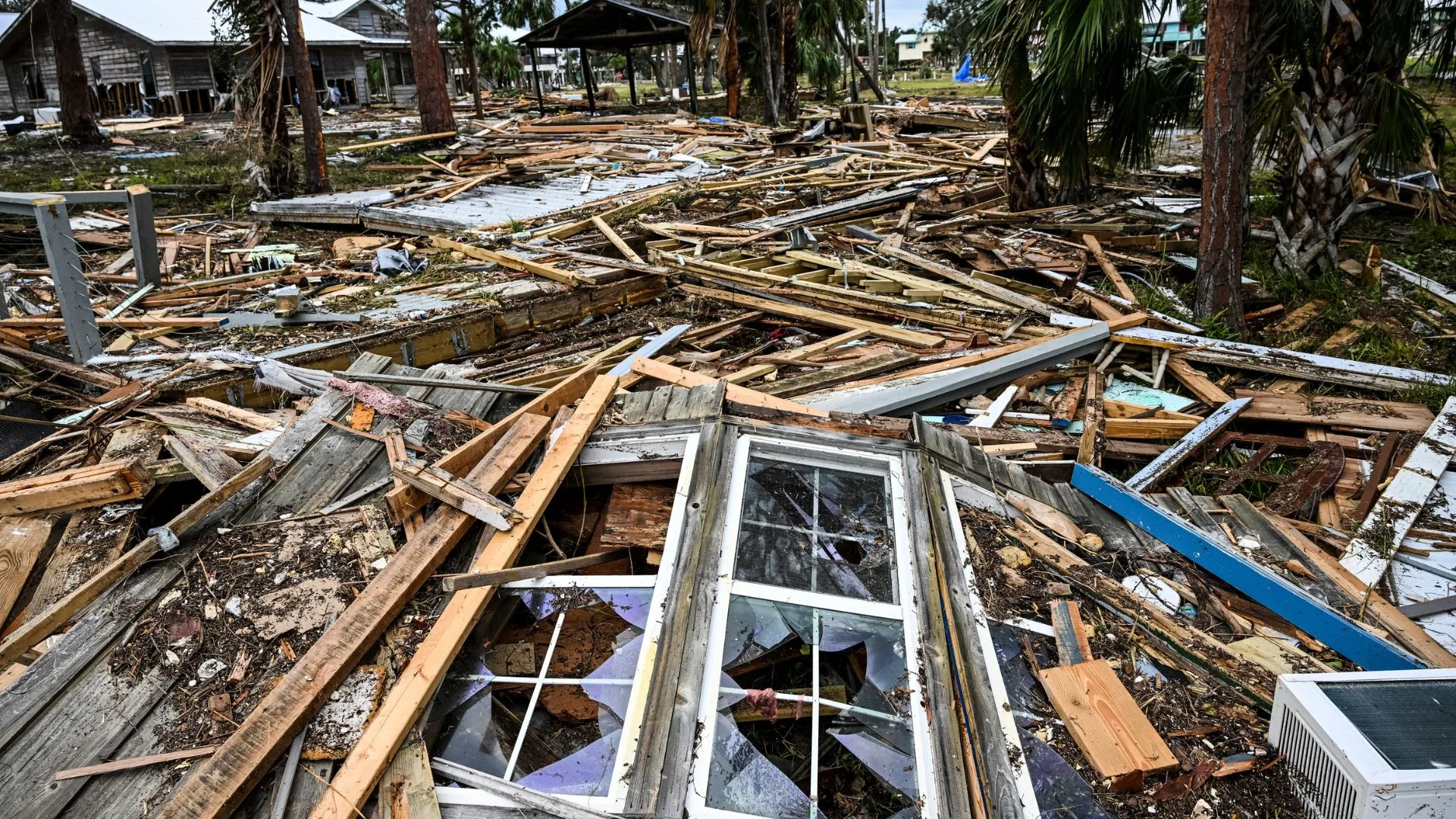
From the outset, 2024 was a year of climate extremes. Unprecedented heatwaves swept across Europe and North America, shattering temperature records and intensifying wildfires. The United States experienced some of its most severe floods in decades, while parts of Asia grappled with prolonged droughts that threatened food security. The El Niño phenomenon added fuel to these crises, amplifying the frequency and severity of extreme weather events worldwide.
These events underscored the stark reality of a warming planet, with scientists linking the intensification of natural disasters to the continued rise in greenhouse gas emissions.
International Climate Action
Despite the challenges, 2024 also witnessed significant strides in global climate policy. Key highlights included the COP29 summit in the UAE, where nations revisited and strengthened their commitments to the Paris Agreement. Efforts to phase out fossil fuel subsidies gained traction, with major economies pledging accelerated transitions to renewable energy.
China and the European Union led the way in renewable energy capacity, achieving record installations of wind and solar power. Meanwhile, the United States passed landmark legislation to bolster clean energy infrastructure and incentivise electric vehicle adoption, aiming to reduce its carbon footprint more aggressively.
Corporate and Community Leadership
Private corporations played a pivotal role in 2024’s climate journey. Tech giants and manufacturing industries ramped up investments in carbon capture technologies and announced ambitious net-zero targets. Grassroots movements also gained momentum, with communities around the world championing localised solutions such as reforestation projects, sustainable farming, and urban green initiatives.
Public engagement surged, driven by the growing visibility of climate impacts. Social media campaigns and youth-led climate protests demanded accountability from governments and businesses, keeping the issue at the forefront of public discourse.
Challenges Ahead
Despite the progress, 2024 revealed the daunting scale of work still needed. Global carbon emissions plateaued but did not decline sufficiently to meet the targets necessary to limit warming to 1.5°C above pre-industrial levels. Vulnerable nations, particularly in the Global South, continued to bear the brunt of climate impacts, often without adequate resources or support from wealthier countries.
The inequity in climate adaptation funding remained a contentious issue, with calls for increased contributions to the Loss and Damage Fund established at COP27.
The Road Forward
As the year closes, the lessons of 2024 are clear: the climate crisis is accelerating, but so is the resolve to address it. With technology, policy, and public engagement converging, there is cautious optimism that future years will bring more substantial and equitable progress.