
Blood Pressure Medication Shows Promise in Reducing Parkinson's Tremors
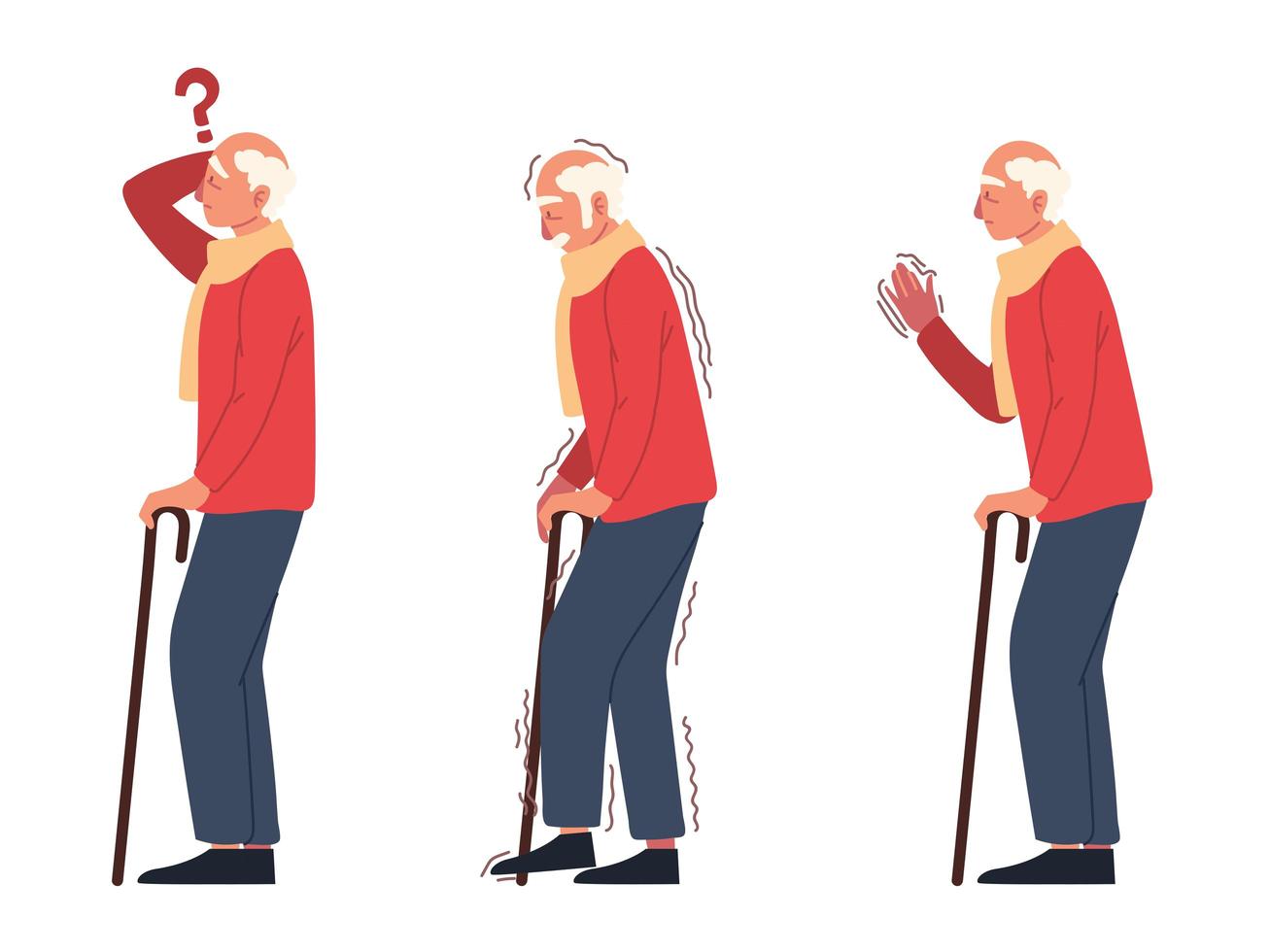
A recent study has revealed that a standard medication used for managing high blood pressure might offer relief to the hundreds of thousands of people suffering from Parkinson's disease by reducing their tremors. This research, conducted by scientists at Radboud University in Holland, involved 27 Parkinson's patients who were given propranolol, a well-known beta-blocker.
Tremors, one of the most visible and debilitating symptoms of Parkinson's, can significantly impair daily activities such as writing or dressing. Traditional treatments like levodopa often fail to adequately control these tremors, particularly in stressful situations. However, propranolol, which typically inhibits stress hormones, showed effectiveness in managing tremors both at rest and under stress.
The study utilized MRI scans to observe changes in brain activity, demonstrating that propranolol directly suppresses the activity in the brain circuit responsible for tremors. This indicates a potential new pathway for treatment, as levodopa, while effective for many symptoms of Parkinson's, is less so for tremors during stress.
Dr. Rick Helmich, a neurology professor involved in the study, explained that stress hormones like noradrenaline might amplify tremor intensity, and propranolol works by counteracting this effect. However, caution is advised due to potential side effects like low blood pressure, suggesting it might be most appropriate for those not responding well to levodopa.
This discovery could pave the way for new treatment strategies, providing hope to Parkinson's patients for whom existing therapies are insufficient. Additionally, the research team is exploring lifestyle adjustments, such as mindfulness, to mitigate the effects of stress on Parkinson's symptoms.
Tags:
Health