
Korean Scientists Discover 'Undo Button' for Cancer
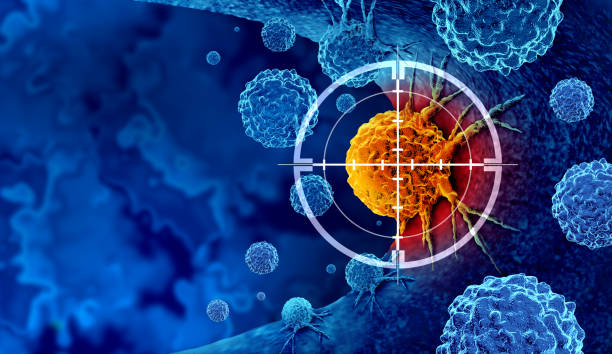
In a groundbreaking development, researchers from the Korea Advanced Institute of Science and Technology (KAIST) have developed a novel approach to cancer treatment that involves reverting cancer cells back to a state resembling normal cells, rather than destroying them. This method, led by Professor Kwang-Hyun Cho from the Department of Bio and Brain Engineering, could revolutionize how we combat cancer by significantly reducing the side effects associated with traditional cancer treatments.
The team's research, which has been published in the journal Advanced Science, focused on colon cancer. They used a digital twin technology to simulate and analyze the gene network associated with normal cell differentiation. By identifying and manipulating master molecular switches, they managed to guide colon cancer cells back to a normal-like state. This approach not only avoids the collateral damage to healthy cells but also tackles the problem of cancer cell resistance to treatment.
Past studies have hinted at the possibility of cancer cell reversion through differentiation or trans-differentiation in various cancers like acute myeloid leukemia and breast cancer. However, pinpointing specific regulators to drive this process has been elusive until now. Cho's team has shown that by understanding and controlling the differentiation trajectory of normal cells, similar strategies can be applied to cancer cells to reverse their malignant state.
The implications of this research are vast, potentially leading to a new class of cancer therapies that could be more effective with fewer side effects. This could mean less invasive treatments for cancer patients, reducing the likelihood of recurrence and improving quality of life post-treatment.
While this study specifically targeted colon cancer, the methodology could be expanded to other cancer types, setting a precedent for a paradigm shift in cancer therapy. The next steps involve further validation and clinical trials to ensure this approach can be safely and effectively implemented in human patients.