
Science says "Memory Occurs Also Outside Brain"
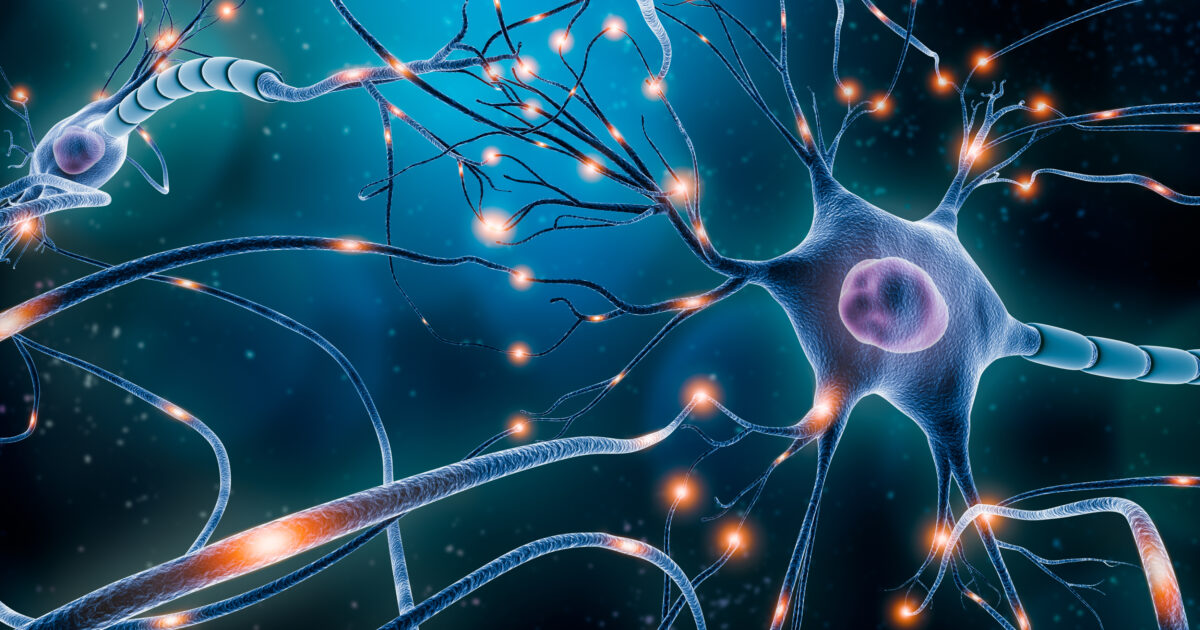
Recent research has revealed that memory-like processes are not exclusive to neurons but also occur in non-neural human cells. A study conducted by neuroscientists at New York University's Center for Neural Science demonstrated that kidney and other non-neural cells exhibit memory responses when exposed to specific patterns of chemical stimuli. This finding suggests that fundamental cellular mechanisms underpinning memory formation are conserved across different cell types.
The research focused on the "massed-spaced effect," a well-documented phenomenon in neuroscience indicating that information is retained more effectively when learning sessions are spaced over time rather than concentrated into a single intensive session. To investigate whether non-neural cells exhibit similar dynamics, the scientists engineered human cell lines to include a reporter system producing a luminescent protein in response to memory-related activity. This system was controlled by a promoter dependent on the cAMP response element-binding protein (CREB), known for its crucial role in neuronal memory formation.
The cells were subjected to pulses of forskolin and TPA, chemicals that activate key memory-related signaling pathways, mimicking neuronal responses during learning. These stimuli were administered in various patterns, including single intensive bursts (massed training) and multiple shorter bursts spaced over time (spaced training). The researchers measured the luminescent protein levels after different intervals to assess the cells' responses.
Both kidney and other non-neural cells exhibited stronger and more sustained responses to spaced stimuli compared to massed stimuli, mirroring the massed-spaced effect observed in neurons. Notably, these memory-like responses persisted for over 24 hours, indicating that the spacing effect influenced not only the immediate strength of the response but also its longevity. This behavior aligns with key principles of memory, such as enhanced retention and reduced forgetting with repetition over time.
The study's lead researcher, Nikolay V. Kukushkin, remarked on the unexpected sophistication of non-neural cells, stating, "I don’t think any of us expected kidney cells to be so clever." This discovery challenges the traditional view that memory processes are confined to the nervous system and opens new avenues for understanding cellular functions across different tissues.
These findings have significant implications for the broader understanding of memory mechanisms and suggest that the ability to process and retain information may be a fundamental property of cells, regardless of their role in the nervous system. Further research could explore how these memory-like processes in non-neural cells influence overall cellular function and contribute to the organism's physiology.
In summary, the discovery that non-neural human cells can exhibit memory-like processes challenges existing paradigms in neuroscience and cell biology. It underscores the universality of certain cellular mechanisms and paves the way for future studies into the diverse functionalities of different cell types.