
Tesla Data Aids Investigation of Cybertruck Explosion, But Sparking Privacy Concerns

On January 1, 2025, a Tesla Cybertruck exploded outside the Trump International Hotel in Las Vegas, injuring seven people. The driver, identified as 37-year-old Matthew Livelsberger, died by suicide shortly before the explosion. Authorities discovered fuel canisters, fireworks, and firearms in the vehicle, which had been rented through the car-sharing platform Turo.

Investigators utilized Tesla's vehicle telematics and charging station records to trace the Cybertruck's journey from Denver to Las Vegas. This data provided critical insights into Livelsberger's movements leading up to the incident. Tesla CEO Elon Musk confirmed that the explosion was unrelated to the vehicle's functionality, stating, "All vehicle telemetry was positive at the time of explosion."
The use of such detailed vehicle data has raised concerns about driver privacy. Modern vehicles, including Tesla models, are equipped with advanced onboard computers that collect extensive data on driver behavior, location, and vehicle performance. While this information can enhance safety features and assist in investigations, it also poses questions about data ownership and consent.
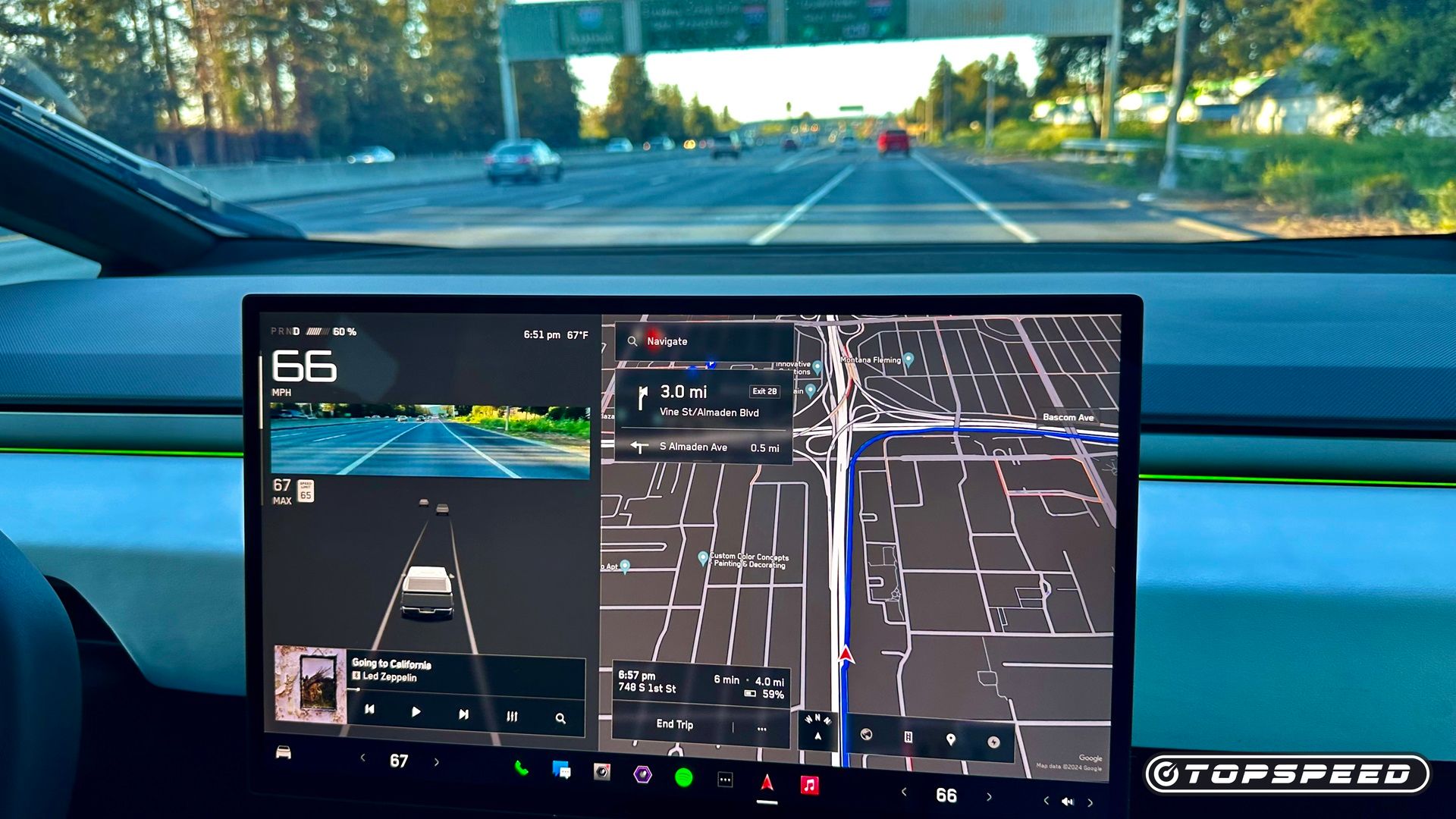
Jodi Daniels, founder and CEO of privacy consultancy firm Red Clover Advisors, noted that many consumers are unaware of the extent of data collection in modern vehicles. She emphasized the need for transparency and consumer education, stating, "Most consumers actually don’t understand what data is being collected." The ambiguity surrounding data ownership—whether it belongs to the driver, the vehicle manufacturer, or third-party services—further complicates the issue.
Legal actions have highlighted these concerns. For instance, a lawsuit filed against General Motors alleged that the company sold driver data to insurance firms without consent, potentially leading to increased premiums. Such cases underscore the importance of clear data privacy policies and the need for consumers to be informed about how their data is utilized.
In the context of the Las Vegas incident, while Tesla's data collection proved instrumental in the investigation, it also serves as a reminder of the pervasive nature of digital surveillance in modern society. As vehicles become increasingly connected, balancing the benefits of data utilization with the protection of individual privacy remains a critical challenge.