
Why Winter Air Smells Distinctly Fresh?
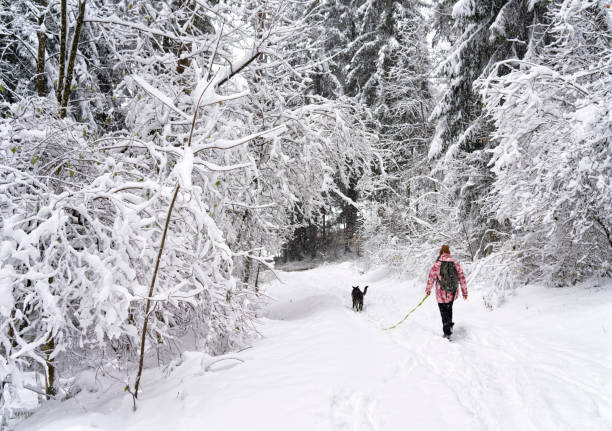
Many people notice a unique, crisp scent in the air during winter months. This phenomenon arises from a combination of environmental factors and physiological responses.
Environmental Factors:
Temperature and Odor Molecule Movement: In warmer conditions, air molecules are more energetic, allowing odors to travel farther. Conversely, cold air is denser and holds fewer odor molecules, limiting the dispersion of scents. This reduction in airborne particles contributes to the perception of cleaner, fresher air during winter.
Volatile Compound Evaporation: Many natural scents arise from volatile compounds that evaporate into the air. Cold temperatures slow this evaporation process, resulting in fewer odors—both pleasant and unpleasant—being present. For instance, the earthy smell of soil or the fragrance of flowers diminishes in colder weather due to reduced evaporation.
Physiological Responses:
Olfactory Receptor Sensitivity: Exposure to cold air can cause olfactory receptors in the nose to retreat deeper as a protective measure. This adjustment makes it more challenging for odor molecules to bind to these receptors, potentially dulling the sense of smell.
Nasal Passage Dryness: Indoor heating during winter often leads to drier air, which can desiccate nasal passages. This dryness further impairs the ability to detect scents, contributing to the perception of a fresher atmosphere.
Psychological Factors:
Associations with winter-specific scents, such as pine from Christmas trees or spices like cinnamon, can heighten the awareness of certain smells during the season. These cultural and emotional connections may enhance the perception of a distinct winter aroma.
In summary, the characteristic freshness of winter air results from a combination of reduced odor molecule activity due to lower temperatures, physiological changes in our olfactory system, and psychological associations with the season. This interplay creates the unique sensory experience many associate with wintertime.