
Rising Rat Populations in US Cities
In cities across the United States, an unseen battle is being waged beneath our feet. Rats, resilient and highly adaptable creatures, are experiencing an unprecedented population boom, and experts are pointing to climate change as a primary culprit. With rising global temperatures, particularly milder winters, rats are thriving at an alarming rate—posing serious challenges for urban infrastructure, public health, and city governance.
The Climate-Rat Connection
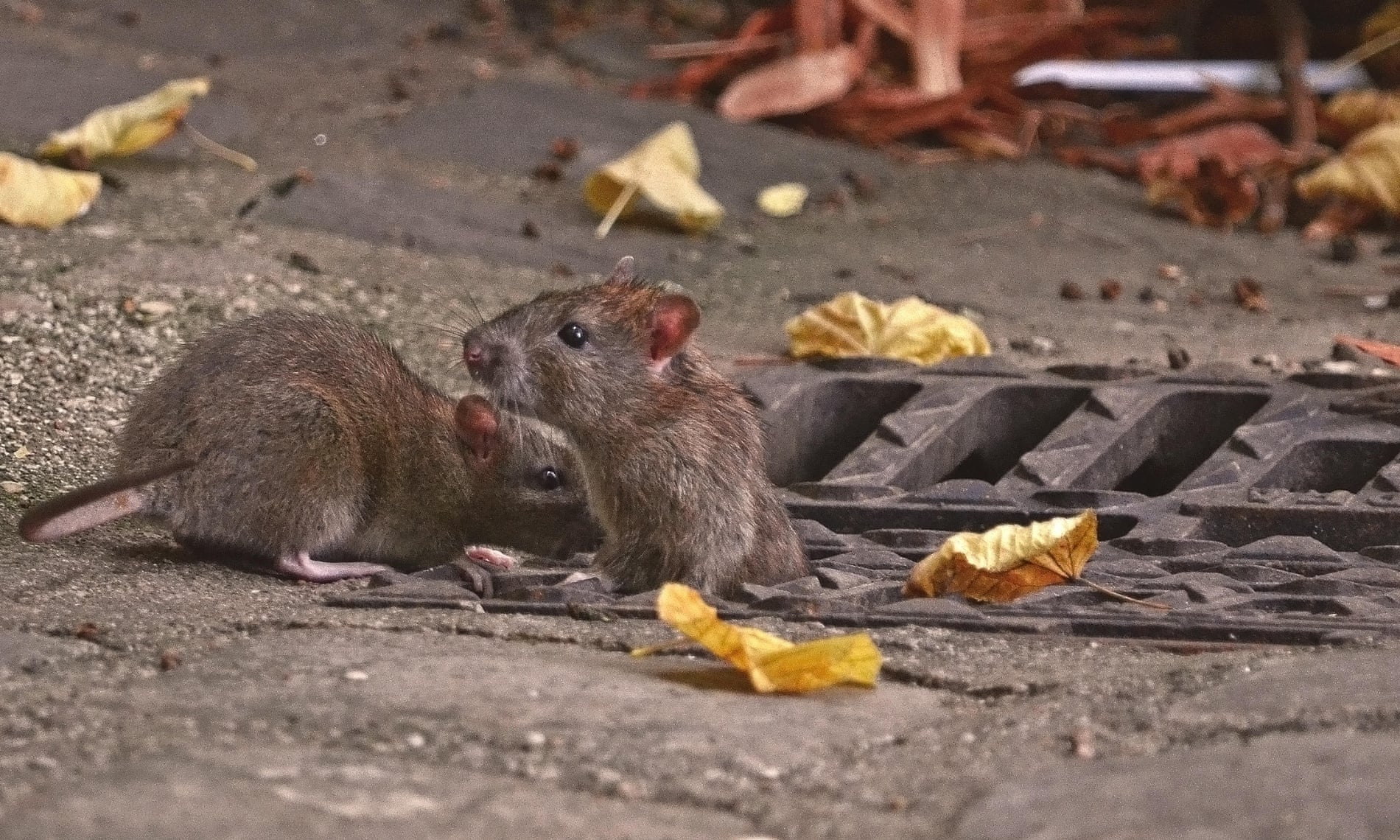
Historically, colder winters acted as a natural check on rat populations, limiting their survival and breeding cycles. However, as winters become increasingly mild, rats are reproducing year-round, dramatically increasing their numbers. Some cities, including Washington, D.C., and New York, have reported surges in rat sightings and infestations, with urban centers becoming hotspots for these rodents.
"Rats are some of the most adaptable creatures on the planet, and they are taking full advantage of the changing climate," says Dr. Peter Hammond, a researcher specializing in urban ecology. "With milder winters, we’re seeing longer breeding seasons and greater survival rates for rat populations."
Why Urban Centers Are the Perfect Breeding Ground
Beyond climate, modern urbanization plays a significant role in fostering rat populations. With the expansion of cities, inadequate waste management, and increasing human food waste, rats have access to an abundant and consistent food supply. Unsealed trash bags and overstuffed bins provide easy pickings, while underground subway systems and aging infrastructure create ideal nesting sites.
New York City, in particular, has battled persistent rat issues for decades. Despite efforts like appointing a dedicated “rat czar” and implementing stricter waste disposal rules, the city’s rat population remains formidable. Similar trends have been observed in other metropolitan areas such as Chicago, Los Angeles, and Boston.
The Public Health Risks
A growing rat population isn’t just an aesthetic or infrastructural nuisance—it poses a serious public health risk. Rats are known carriers of diseases such as leptospirosis, hantavirus, and salmonellosis. Their urine and droppings can contaminate food sources, and they can even exacerbate respiratory conditions like asthma in densely populated areas.
Additionally, their habit of gnawing through electrical wires poses fire hazards and causes costly damage to city infrastructure. In extreme cases, infestations can disrupt businesses, damage homes, and undermine property values.
A War on Rats: What Can Be Done?
Traditional pest control methods such as poisoning and trapping, while somewhat effective, fail to address the root cause of the issue. Experts agree that long-term solutions require a multi-pronged approach, including:
- Better Waste Management: Implementing sealed garbage bins and stricter food disposal regulations to limit access to food sources.
- Urban Planning Adjustments: Designing city spaces with rat-resistant infrastructure, such as rat-proofing subway stations and public parks.
- Public Awareness Campaigns: Educating residents on preventing infestations by securing food waste and properly maintaining their properties.
- Innovative Pest Control: Exploring humane, technology-driven solutions such as sterilization programs and advanced tracking of rat populations.
A Future of Coexistence?
While complete eradication of urban rat populations is unlikely, cities must adapt to new realities by mitigating rat-friendly environments. Climate change has undeniably tipped the scales in favor of these resilient rodents, but with innovative urban planning and proactive management, cities can regain control.
As Dr. Hammond puts it, “This isn’t a fight we can win overnight, but with strategic policies, improved waste control, and scientific innovation, we can ensure that our cities remain safe and habitable for humans—not just for rats.”
One thing is clear: as climate change continues to reshape our world, cities must evolve alongside it—or risk being overrun by an enemy that thrives in the shadows.