
Unlocking the Secrets of the Aging
Aging is an inevitable process, yet scientists have long sought ways to delay or even slow its effects.
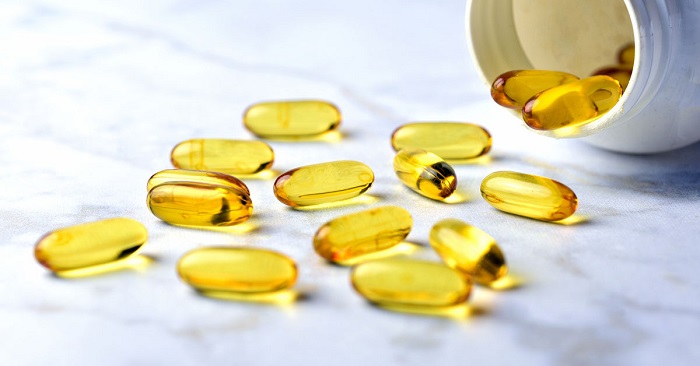
Research has increasingly suggested that dietary and lifestyle modifications may play a crucial role in extending health span. Now, a groundbreaking study from the University of Zurich’s DO-HEALTH project has provided compelling evidence that vitamin D, omega-3 fatty acids, and regular physical activity may significantly slow biological aging in older adults.
Investigating the Aging Process
The DO-HEALTH study, led by Professor Heike Bischoff-Ferrari, explored whether these interventions influence biological aging in 777 individuals over the age of 70. Biological aging differs from chronological aging, as it measures physiological changes at the molecular level. The study utilized epigenetic clocks—DNA-based markers that assess aging by analyzing chemical modifications like DNA methylation.
Working alongside epigenetic expert Steve Horvath, the research team tested eight different treatment combinations. Participants were randomly assigned to receive vitamin D3 (2000 IU daily), omega-3 fatty acids (1 gram daily), and/or a simple home-based strength training program three times per week for a period of three years.
Key Findings: A Slower Biological Clock
The study revealed that taking omega-3 fatty acids alone slowed biological aging by up to four months across multiple epigenetic clocks. However, the most significant results were observed when all three interventions—vitamin D, omega-3s, and strength training—were combined. These findings align with earlier DO-HEALTH results, which demonstrated that the same combination reduced cancer risk, prevented frailty, and lowered the likelihood of infections and falls.
Professor Bischoff-Ferrari emphasized that each intervention likely works through distinct but complementary mechanisms, amplifying their effectiveness when used together. While omega-3 fatty acids may reduce inflammation, vitamin D supports immune function and muscle health, while strength training maintains mobility and bone density.
Limitations and Future Directions
Despite the promising results, the researchers acknowledge certain limitations. The study participants were exclusively Swiss, meaning the findings may not be representative of a globally diverse population. To address this, further analysis will extend to additional DO-HEALTH participants from Germany, France, Austria, and Portugal, ensuring a broader range of genetic backgrounds and lifestyle factors.
Another challenge in the field is the absence of a universally accepted standard for measuring biological age. While the study employed the most advanced epigenetic clocks currently available, ongoing research is required to validate and refine these biomarkers. To that end, Bischoff-Ferrari and her colleagues plan to collaborate with the Global Health Span Extension Consortium to further advance clinical applications of biological aging measurement.
Redefining Aging Through Science
The DO-HEALTH study offers new hope for slowing aging and extending healthy lifespan through accessible interventions. While further research is needed to confirm these findings across diverse populations, the results reinforce the importance of nutrition, supplementation, and exercise in promoting longevity.
As scientists continue to unlock the mechanisms behind biological aging, the prospect of influencing the aging process through lifestyle choices is becoming more tangible. For now, incorporating vitamin D, omega-3 fatty acids, and strength training into daily routines may offer one of the best strategies for maintaining health and vitality well into old age.