
Why Do Fresh Fruit Slices Turn Brown?
The browning of fresh fruit slices, such as apples and bananas, is primarily due to a process called enzymatic browning. When the fruit's flesh is exposed to oxygen—through cutting, bruising, or damage—an enzyme known as polyphenol oxidase (PPO) reacts with phenolic compounds in the fruit, leading to the formation of brown pigments called melanin. This natural reaction doesn't make the fruit harmful to eat but can affect its visual appeal.
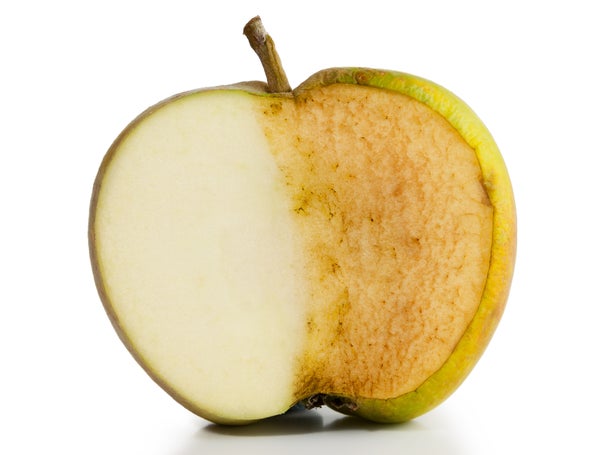
To slow down or prevent this browning, consider the following methods:
Acidic Treatments: Applying acidic substances can inhibit the PPO enzyme. For instance, brushing or soaking fruit slices in lemon juice introduces citric acid, which lowers the pH and slows the browning process. Similarly, a brief soak in a solution of one teaspoon of lemon juice mixed with one cup of cold water for about five minutes can be effective.
Saltwater Soak: A mild salt solution can also prevent browning. Mix half a teaspoon of salt with one cup of cold water, soak the fruit slices for 10 minutes, then drain and rinse them with fresh cold water. This method can keep apples looking fresh for up to 24 hours with minimal impact on taste or texture.
Honey Water Dip: Honey contains compounds that can inhibit the browning reaction. Dissolve two tablespoons of honey in one cup of water, soak the fruit slices for about three minutes, then drain and store them. This method can help maintain the fruit's color and freshness.
Cold Water Submersion: Simply submerging fruit slices in cold water can reduce exposure to oxygen, thus slowing the browning process. This method is simple and effective for same-day use, keeping the fruit fresh for several hours.
It's important to note that while browned fruit remains safe to eat, these methods can help maintain its visual appeal, especially when preparing fruit in advance for events or snacks.