
Denmark’s Wholegrain Revolution
In a world grappling with rising rates of obesity and chronic diseases, Denmark stands out with a remarkable public health success story. Through the Danish Whole Grain Partnership (DWGP), the country has significantly increased wholegrain consumption, leading to improved health outcomes and setting a model for other nations.
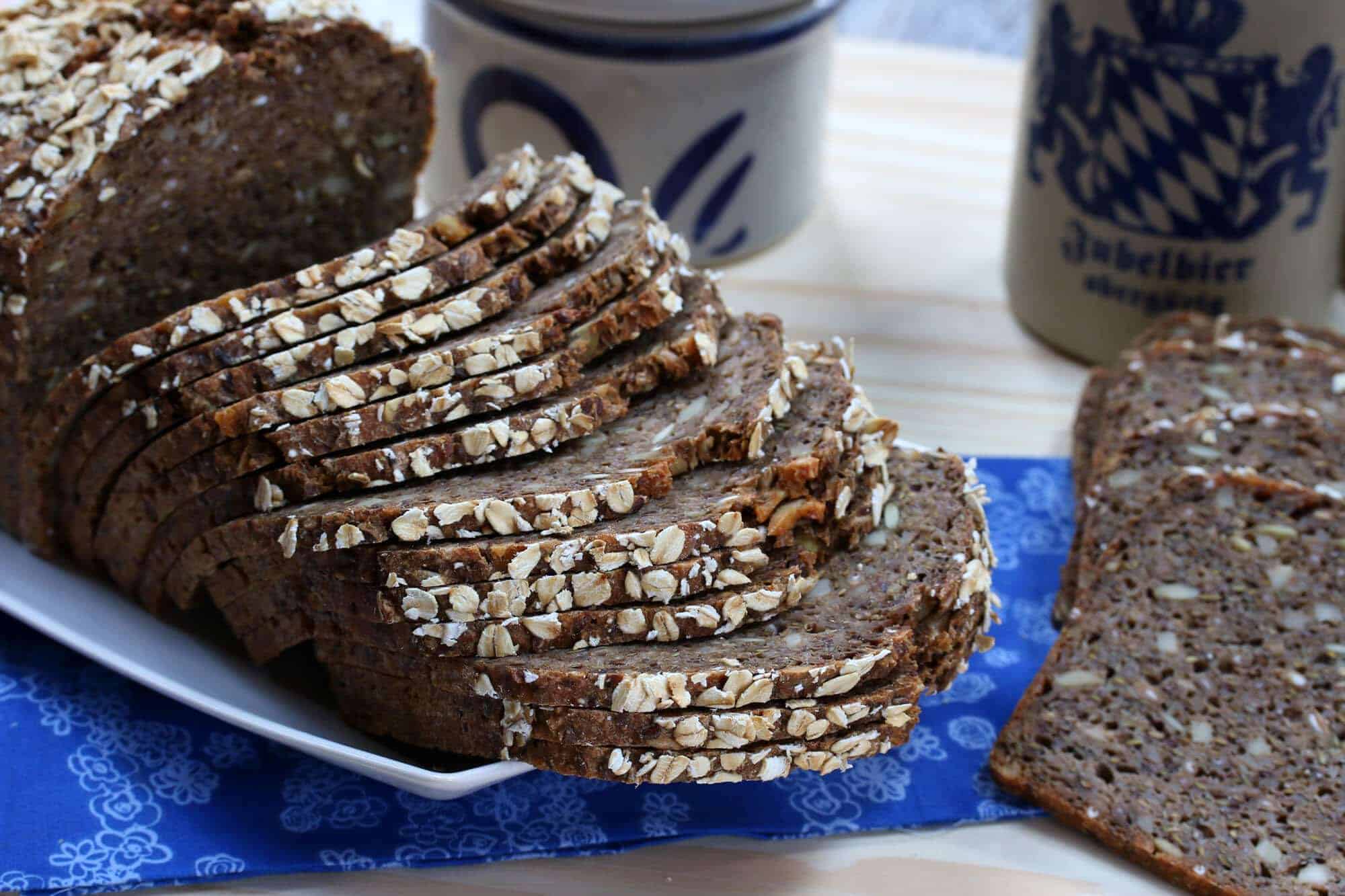
A Collaborative Effort
Launched in 2008, the DWGP is a unique collaboration between government agencies, health organizations, and the food industry. The partnership aimed to make wholegrains an integral part of the Danish diet by:
- Updating dietary guidelines to emphasize wholegrain intake.
- Introducing a wholegrain logo to help consumers identify qualifying products.
- Reformulating common foods to include more wholegrains.
- Running nationwide awareness campaigns to educate the public.This comprehensive approach ensured that wholegrains became more accessible and appealing to all segments of the population.
Impressive Results
The impact of the DWGP has been profound. Between 2008 and 2019, the average daily wholegrain intake in Denmark more than doubled, rising from 36 grams to 82 grams—the highest in Europe. This increase is associated with a reduced risk of chronic diseases such as heart disease, type 2 diabetes, and certain cancers. Moreover, wholegrains have a lower carbon footprint compared to refined grains, contributing to environmental sustainability.
Industry Innovation
The food industry played a crucial role in this transformation. Companies developed new wholegrain products and reformulated existing ones to meet the DWGP standards. Efforts were made to make wholegrain products more appealing, especially to children and individuals with low wholegrain intake. This included creating wholegrain versions of popular foods and ensuring they were competitively priced.
Global Recognition and Expansion
The success of the DWGP has garnered international acclaim. Both the European Union and the Organisation for Economic Co-operation and Development (OECD) have recognized the initiative for its positive impact on public health. Denmark is now working to expand this model internationally, sharing its strategies and experiences with other countries aiming to improve their populations' diets.
Lessons Learned
Denmark’s experience offers valuable lessons:
- Public-Private Partnerships: Collaboration between various sectors can lead to significant public health improvements.
- Consumer Education: Informing the public about the benefits of wholegrains encourages healthier choices.
- Product Accessibility: Making wholegrain products readily available and affordable ensures broader adoption.
By integrating these elements, Denmark has demonstrated that coordinated efforts can lead to substantial dietary changes and health benefits.